

In today’s fast-paced corporate environment, maintaining and promoting employee wellness has become a paramount concern for organizations worldwide. With the advent of digital technology, companies have a new arsenal at their disposal to enhance the physical and mental well-being of their workforce. This article delves into how technology, especially virtual reality (VR), wearables, and mobile apps, is revolutionizing employee wellness programs.
Trends in Employee Wellness Programs Involving Technology
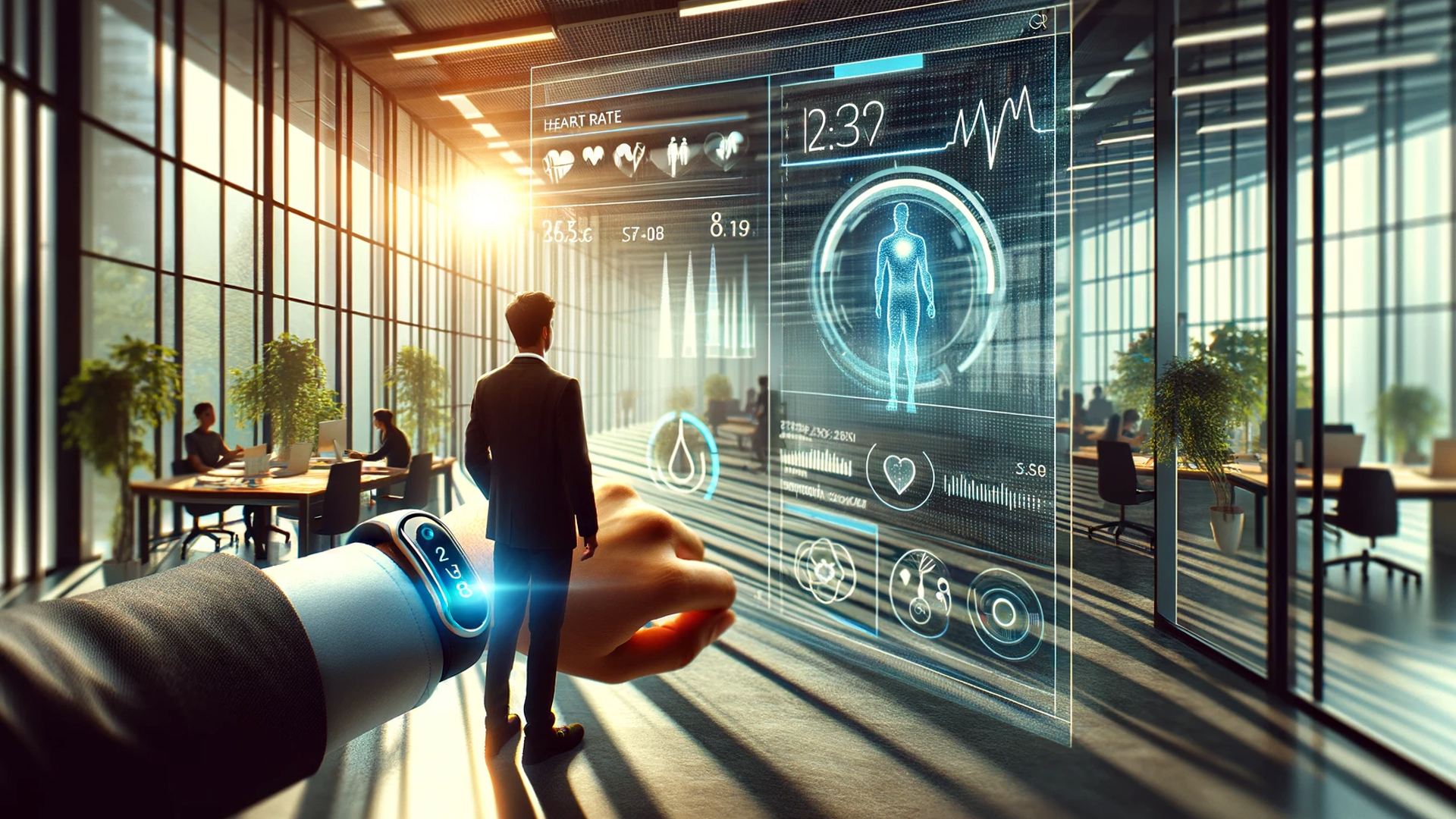
The landscape of corporate wellness has undergone a significant transformation, moving from traditional programs to digital health solutions that offer unprecedented flexibility, accessibility, and customization. Innovations in VR, wearables, and mobile apps are leading this charge, providing personalized health monitoring and improvement tools directly into the hands of employees.
The Role of Technology in Enhancing Workplace Wellness
- Wearables and Digital Biomarkers: Devices that track physiological data have become key in assessing employee well-being. These tools can suggest interventions such as personalized coaching or therapy based on the data collected, all while ensuring anonymity and privacy.
- Virtual Reality: VR technologies are being utilized to create immersive environments for training or therapeutic purposes, helping employees manage stress and anxiety by simulating various scenarios they may encounter in both personal and professional settings.
Successful Implementations and Case Studies
The integration of wearable technology in wellness programs exemplifies the successful application of digital tools in the workplace. Employers are increasingly offering wearable devices as part of their wellness initiatives, recognizing the value in promoting health and productivity through technology.
Benefits for Employers and Employees
To illustrate how companies can use Virtual Reality (VR) in Human Resources (HR) and the potential positive outcomes of these applications, I’ll create a table that outlines various uses along with their expected benefits.
Among the most promising technological advancements is Virtual Reality (VR), a tool that’s rapidly transforming how businesses approach health and wellness programs. By leveraging VR, companies can offer their employees unique and engaging experiences that promote physical health, mental well-being, and stress relief, marking a significant shift from traditional wellness programs.
Virtual Reality: A New Horizon for Physical Health
Physical activity is crucial for maintaining overall health, yet finding the motivation to exercise can be challenging for employees with busy schedules. VR fitness programs offer an enticing solution by combining the fun of video games with the benefits of physical exercise. Employees can immerse themselves in virtual environments where they can climb mountains, cycle through picturesque landscapes, or participate in competitive sports, all from the comfort of their office or home. This not only makes physical activity more appealing but also accessible, encouraging a more active lifestyle.
Mental Well-being in the Virtual World
Mental health is an equally important facet of employee wellness. VR provides innovative solutions to combat stress and anxiety, offering immersive experiences that transport users to peaceful environments for meditation and mindfulness practices. Through guided sessions in serene settings, such as tropical beaches or tranquil forests, employees can learn relaxation techniques and coping strategies to manage stress. This immersive approach to mental wellness helps in creating a more focused, calm, and resilient workforce.
Enhancing Social Connections Through Virtual Interactions
Isolation and loneliness can negatively impact employee wellness, particularly in remote work settings. VR can bridge this gap by facilitating virtual meetups and social gatherings, enabling employees to interact in a more personal and engaging manner than traditional video calls. Whether it’s collaborating on projects in virtual workspaces or participating in team-building activities in a digital world, VR fosters a sense of community and belonging, crucial for mental and emotional health.
Customized Wellness Journeys with VR
One of the most significant advantages of VR in wellness programs is its ability to offer personalized experiences. Employees can choose activities that fit their interests and wellness goals, whether it’s yoga, meditation, or high-intensity interval training. This customization ensures that wellness programs are more effective and engaging, catering to the diverse needs of the workforce.
| Use Case in HR | Positive Outputs |
|---|---|
| Recruitment and Onboarding | – Enhanced candidate engagement<br>- Faster and more immersive onboarding experience<br>- Better understanding of company culture and roles |
| Skills Training and Development | – Improved learning retention through experiential learning<br>- Safe environment for high-risk scenario training<br>- Customizable training modules for various skills |
| Workplace Diversity and Inclusion Training | – Increased empathy and understanding through perspective-taking exercises<br>- Reduction in biases and promotion of inclusive behavior |
| Employee Engagement and Team Building | – Strengthened team connections through collaborative VR experiences<br>- Higher engagement through interactive and fun activities |
| Remote Work and Collaboration | – Enhanced sense of presence and connection for remote teams<br>- More effective and engaging remote meetings<br>- Virtual workspaces that simulate an office environment |
| Performance Assessment and Feedback | – Objective performance assessments using simulation<br>- Immediate feedback through interactive scenarios<br>- Personalized development plans based on VR assessments |
| Wellness and Stress Management | – Stress reduction programs in calming virtual environments<br>- Wellness initiatives that are accessible and engaging<br>- Mental health support through guided VR experiences |
| Job Simulations for Candidate Assessment | – More accurate assessment of candidate skills and fit<br>- Realistic job previews for candidates, reducing early turnover<br>- Enhanced decision-making process for recruiters |
| Positive Aspect | Description |
|---|---|
| Immersive Experience | VR creates a fully immersive environment that can significantly enhance the engagement and effectiveness of wellness programs, offering users an engaging way to access mental health support, physical therapy, and stress relief exercises. |
| Enhanced Accessibility | Makes wellness and therapy sessions accessible to individuals who might have physical or geographical constraints that prevent them from accessing traditional health services. |
| Personalized Programs | Offers the ability to tailor experiences to individual needs, allowing for personalized therapy sessions, meditation guides, and fitness workouts that cater to specific user preferences and health goals. |
| Stress and Anxiety Reduction | VR environments can be designed to promote relaxation and mindfulness, effectively reducing stress and anxiety levels through guided meditations, calming visuals, and immersive nature experiences. |
| Pain Management | Has been shown to help in managing chronic pain by distracting the brain and offering therapeutic exercises designed to reduce the perception of pain in users. |
| Improved Mental Health | Offers tools for mental health improvement, including exposure therapy for phobias and anxiety disorders, by providing controlled environments where users can face their fears safely. |
| Physical Rehabilitation | Assists in physical rehabilitation by providing virtual exercises that are both engaging and less physically demanding, making it easier for users to perform physical therapy routines. |
| Increased Engagement and Motivation | The novelty and interactive nature of VR can significantly increase user engagement and motivation towards adopting healthier lifestyle habits and participating in wellness programs. |
These use cases demonstrate the versatility of VR in transforming HR practices, leading to outcomes such as increased employee engagement, improved training efficacy, enhanced team collaboration, and more effective recruitment processes. By leveraging VR technology, companies can create more immersive, engaging, and effective HR processes that benefit both the organization and its employees.
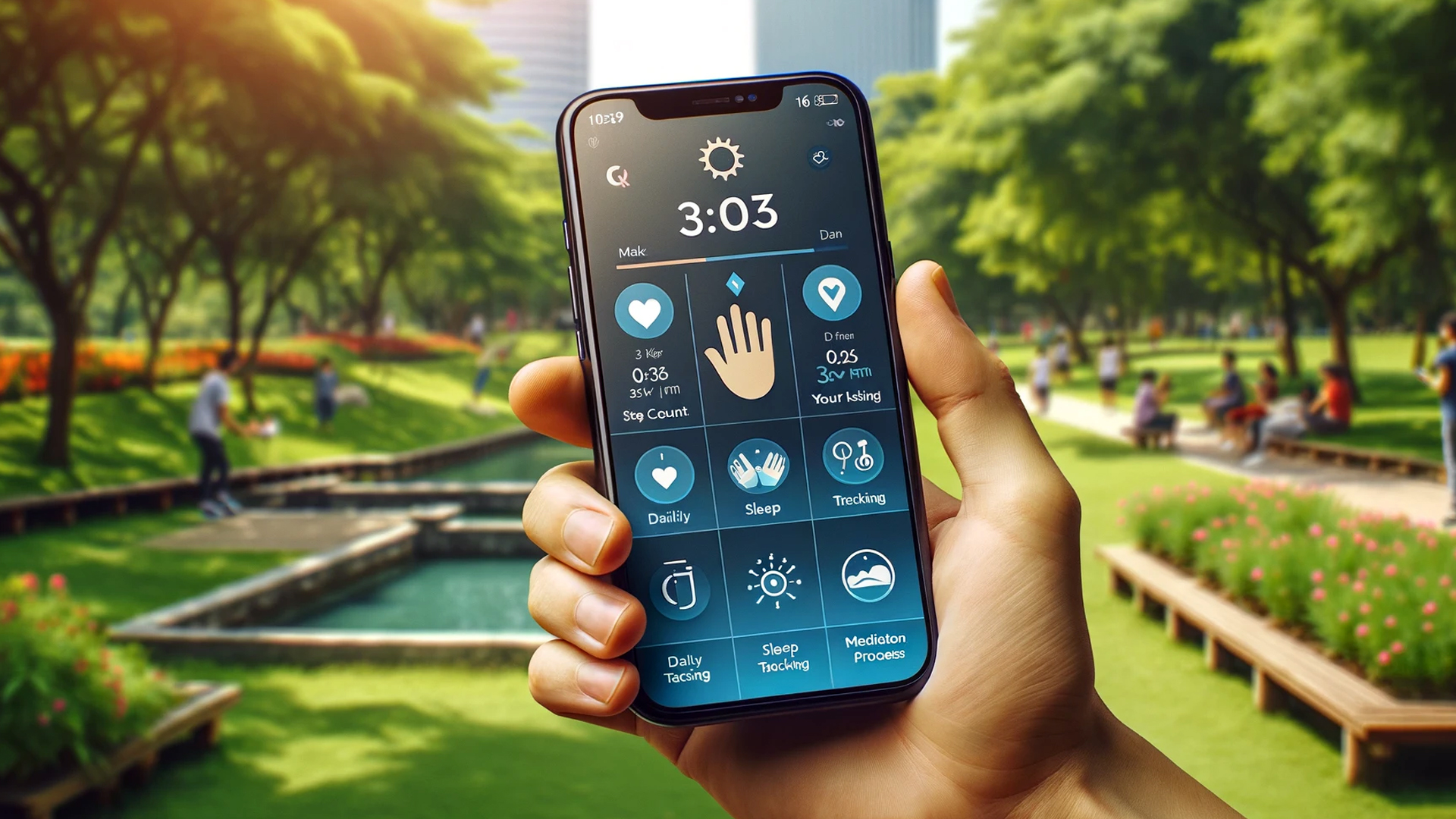
The adoption of technology in wellness programs offers numerous benefits:
- Employees gain access to tools that help monitor and manage their health and wellness conveniently.
- Employers can reduce healthcare costs and increase productivity by leveraging data-driven insights to tailor wellness programs more effectively.
Implementing Technology-based Wellness Solutions
When incorporating technology into wellness programs, considerations include data privacy, customization to fit organizational culture, and active participation by senior management. These efforts should aim to create an inclusive wellness culture that motivates employees through challenges and incentives.
As technology continues to evolve, its integration into employee wellness programs represents a promising avenue for enhancing workplace health and well-being. By leveraging VR, wearables, and mobile apps, companies can provide their employees with innovative tools to improve their physical and mental health, ultimately fostering a more productive and engaged workforce.