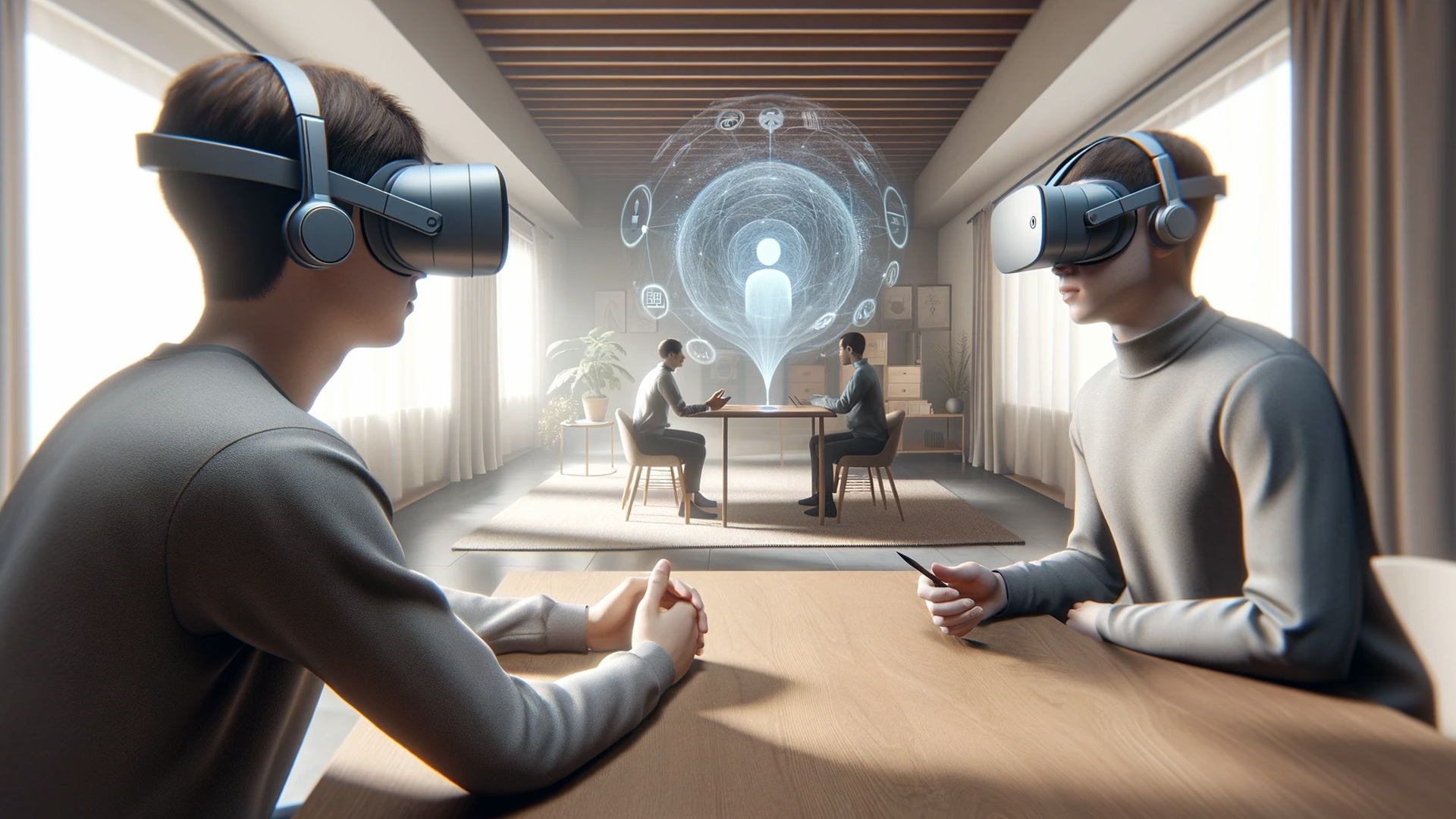

In an era where technological advancements are transforming the corporate landscape, Virtual Reality South Africa stands at the forefront of innovation. As a leader in developing cutting-edge virtual and augmented reality solutions, we cater to businesses seeking to harness the power of VR and AR for soft skills training. This article explores the concept of soft skills training and delves into how virtual reality technology is revolutionizing corporate training programs.
What is Soft Skills Training?
Soft skills training encompasses the development of personal attributes that enhance an individual’s interactions, job performance, and career prospects. Unlike hard skills, which are about an individual’s skill set and ability to perform a certain type of task or activity, soft skills are more about the person’s ability to interact effectively and harmoniously with others. Key soft skills include communication, leadership, teamwork, problem-solving, and emotional intelligence.
In today’s competitive business environment, soft skills are increasingly recognized as critical to organizational success. They enable teams to operate more cohesively, adapt to changes swiftly, and maintain a competitive edge in their respective industries.
The Role of Virtual Reality in Soft Skills Training
Virtual Reality South Africa is pioneering the use of VR technology to create immersive soft skills training programs that offer a range of benefits over traditional training methods. Here’s how VR is making a difference:
Immersive Learning Environments
VR technology creates realistic, immersive environments that allow employees to practice and refine their soft skills in safe, controlled settings. These simulations can mimic real-life scenarios that employees may encounter, providing them with the opportunity to improve their reactions, decision-making, and interpersonal skills in a risk-free environment.
Engaging and Interactive Training
Traditional training methods can sometimes fail to engage participants fully, but VR solutions captivate users by placing them directly into interactive scenarios. This increased engagement leads to better retention of the skills learned during the training sessions, making the learning experience more effective and enjoyable.
Personalized Learning Experiences
VR technology enables the customization of training programs to meet the specific needs of each participant. By tailoring scenarios to address individual weaknesses or to develop certain competencies, VR provides a personalized learning journey for every employee, maximizing the training’s effectiveness.
Real-time Feedback and Analytics
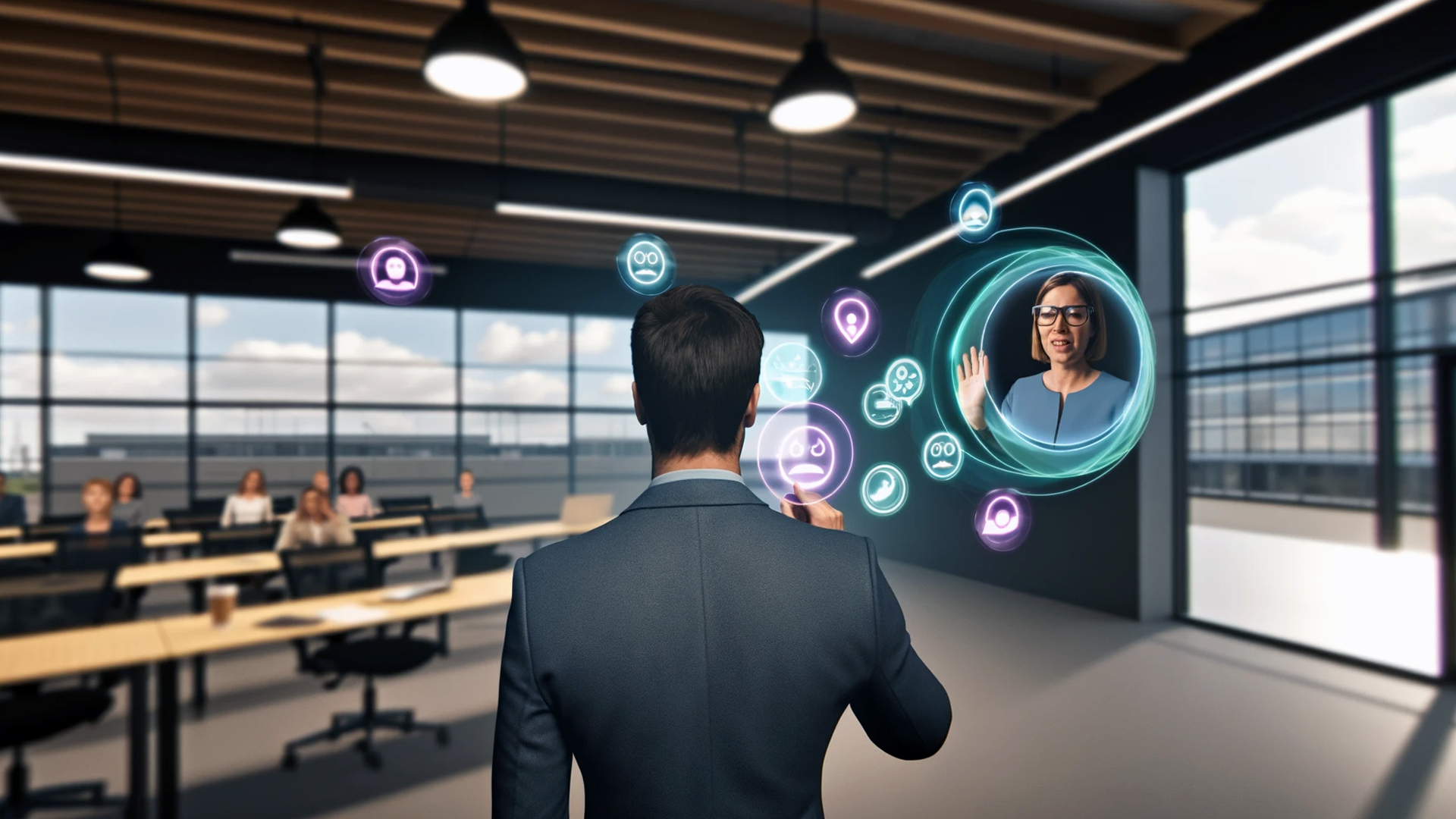
One of the most significant advantages of using VR for soft skills training is the ability to receive real-time feedback. Participants can instantly see the consequences of their decisions and behaviors within the VR environment, allowing for immediate reflection and adjustment. Additionally, trainers can gather data and analytics on performance, offering insights into areas of improvement and tracking progress over time.
Scalability and Accessibility
VR solutions offer unparalleled scalability and accessibility for corporate training programs. Once developed, a VR training module can be deployed across an organization, reaching employees in various locations without the need for physical travel or the replication of training resources. This not only reduces costs but also ensures a consistent training experience for all participants.
Virtual Reality South Africa: Your Partner in Soft Skills Development
At Virtual Reality South Africa, we understand the importance of soft skills in the modern workplace. Our mission is to provide businesses with custom VR software solutions that make soft skills training more effective, engaging, and accessible. Whether you’re looking to enhance communication, leadership, or teamwork within your organization, our VR and AR solutions are designed to meet your specific training needs.
Embrace the future of corporate training with Virtual Reality South Africa. Let us help you transform your organization’s soft skills training programs and unlock the full potential of your team. Visit us at https://virtual-reality.org.za/ to learn more about our innovative solutions and how we can support your business’s success in the digital age.
Here’s a table summarizing the benefits of using Virtual Reality (VR) for soft skills training:
| Benefit | Description |
|---|---|
| Immersive Learning | VR creates realistic, engaging environments that mimic real-life scenarios, allowing employees to practice soft skills in a safe and controlled setting. |
| Enhanced Engagement | The immersive nature of VR captures the user’s full attention, leading to higher engagement levels and better retention of the skills learned. |
| Risk-Free Practice | VR provides a platform for employees to practice and make mistakes without the fear of real-world consequences, encouraging experimentation and learning. |
| Instant Feedback | Many VR training programs offer instant feedback, allowing learners to adjust their approach and improve in real-time. |
| Scalability | VR training can be easily scaled across an organization, providing consistent training experiences for employees at different locations. |
| Customization | VR scenarios can be tailored to address specific soft skills gaps, offering personalized training experiences for each employee. |
| Cost-Effectiveness | Although initial setup costs may be high, VR training can reduce long-term training costs by eliminating the need for physical resources, travel, and instructor fees. |
| Data-Driven Insights | VR training programs can track progress and provide analytics on user performance, offering valuable insights for both employees and trainers. |
| Increased Retention | The experiential learning offered by VR leads to better retention of soft skills over time compared to traditional training methods. |
| Accessibility | VR training can be accessed from anywhere, making it convenient for remote employees or those with tight schedules. |
This table showcases the comprehensive benefits of using VR technology for soft skills training, highlighting how it can transform corporate training programs by making them more engaging, effective, and tailored to individual needs.