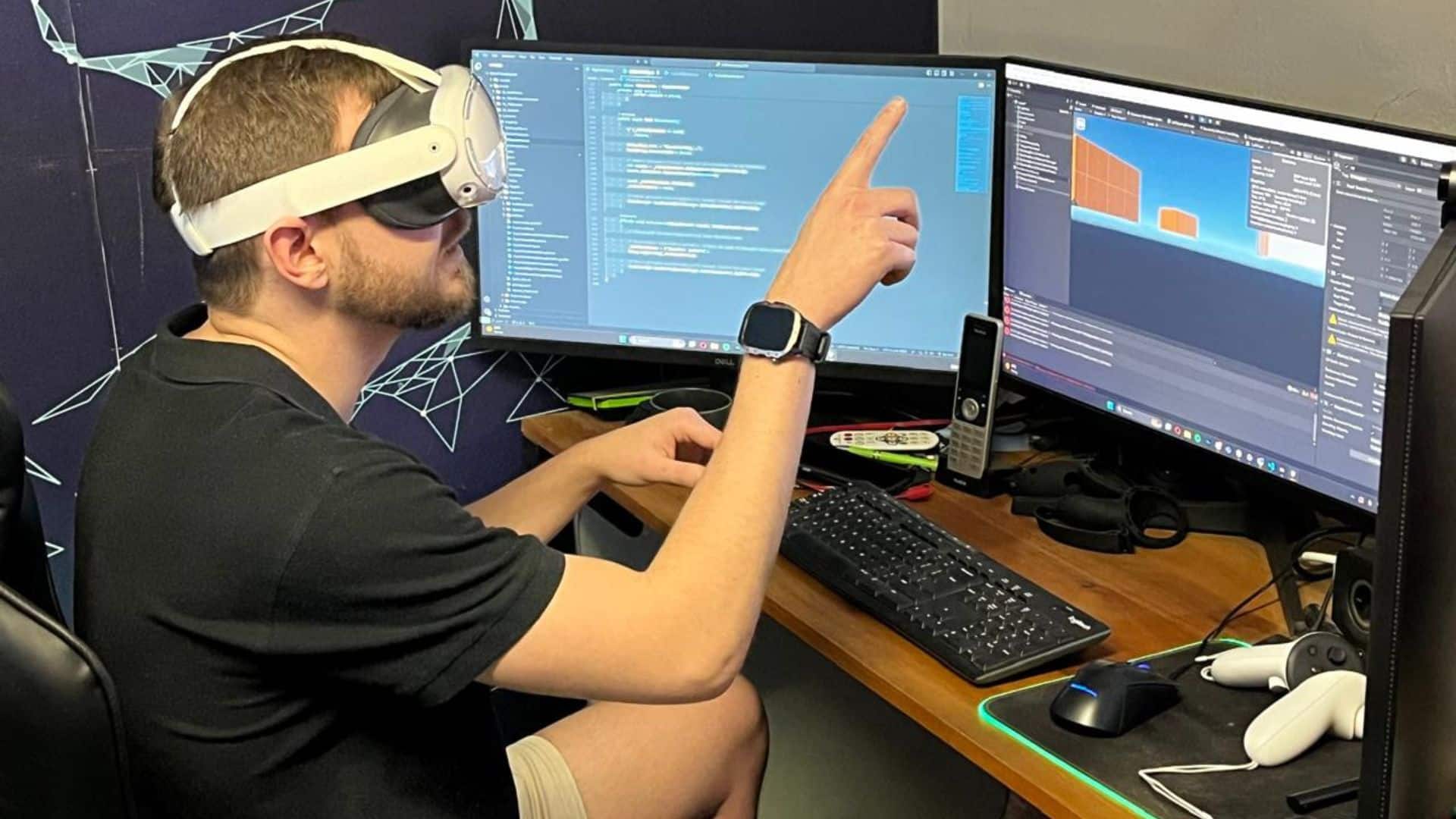

Redefining Collaboration and Connectivity in the Digital Age
As remote work becomes increasingly prevalent in South Africa and around the globe, businesses are continually seeking innovative solutions to enhance collaboration, communication, and team cohesion. Virtual Reality (VR) emerges as a transformative technology poised to revolutionize the remote work landscape. By creating immersive virtual environments, VR offers unparalleled opportunities for remote collaboration, virtual meetings, and team-building exercises. This article delves into the myriad ways VR is reshaping remote work, examining its potential to bridge the gap between physical and virtual interactions, and exploring whether it truly represents the future of work.
Enhancing Remote Collaboration
Immersive Virtual Workspaces
Virtual Reality enables the creation of immersive virtual workspaces that replicate the dynamics of physical offices. These environments allow remote teams to interact in a three-dimensional space, fostering a sense of presence and engagement that traditional video conferencing tools lack. South African businesses can leverage VR to create customized virtual offices where employees can collaborate on projects, share ideas, and interact naturally, much like they would in a physical setting. This enhanced level of interaction not only improves communication but also strengthens team bonds, making remote collaboration more effective and enjoyable.
Moreover, immersive virtual workspaces can be tailored to suit the specific needs of different teams and projects. From virtual whiteboards for brainstorming sessions to interactive 3D models for design projects, VR provides the tools necessary to facilitate comprehensive and dynamic collaboration. By simulating the spontaneity and fluidity of in-person interactions, VR helps mitigate the isolation often associated with remote work, promoting a more connected and cohesive workforce.
Real-Time Data Visualization and Interaction
One of the standout features of VR in remote collaboration is its ability to visualize and interact with data in real time. Traditional remote work tools often present data in two-dimensional formats, limiting the ability to explore and manipulate complex information. VR, on the other hand, allows teams to engage with data in a three-dimensional space, enhancing comprehension and decision-making. South African businesses can utilize VR to create interactive dashboards, 3D models, and virtual prototypes that team members can explore and modify collaboratively.
This real-time interaction with data not only accelerates the decision-making process but also fosters a deeper understanding of intricate concepts. For instance, engineering teams can visualize and test virtual prototypes, marketing teams can interact with immersive consumer data, and financial teams can explore complex financial models. By providing a more intuitive and engaging way to handle data, VR enhances the overall efficiency and effectiveness of remote collaboration.
Seamless Integration with Existing Tools
For VR to be truly effective in enhancing remote collaboration, it must seamlessly integrate with existing work tools and platforms. Modern VR solutions are designed to complement and enhance traditional remote work tools such as project management software, communication platforms, and cloud storage services. This integration ensures that teams can transition smoothly into VR environments without disrupting their established workflows.
South African businesses can take advantage of VR platforms that offer compatibility with popular tools like Microsoft Teams, Slack, Asana, and Trello, enabling a unified and streamlined remote work experience. By integrating VR with these existing tools, companies can enhance their remote collaboration capabilities without the need for significant changes to their current systems. This compatibility not only facilitates a smoother adoption process but also maximizes the benefits of VR by leveraging the strengths of both traditional and virtual work environments.

Revolutionizing Virtual Meetings
Immersive Meeting Experiences
Virtual Reality transforms virtual meetings from static, screen-based interactions into dynamic and engaging experiences. Instead of being confined to a flat screen, participants can interact within a fully immersive virtual environment that mimics a physical meeting room. This enhanced level of immersion fosters more natural and effective communication, as participants can make eye contact, gesture, and engage in non-verbal interactions that are crucial for building rapport and understanding.
In South Africa, where remote teams are becoming the norm, VR-enabled meetings can significantly improve the quality of interactions and the overall meeting experience. By creating a more lifelike and interactive setting, VR helps reduce the fatigue and disengagement often associated with prolonged video calls. This leads to more productive meetings, as participants are more focused and engaged, resulting in better collaboration and more effective decision-making.
Customizable Virtual Meeting Rooms
VR offers unparalleled flexibility in designing and customizing virtual meeting rooms to suit the specific needs of different meetings and teams. From boardrooms equipped with digital whiteboards and presentation tools to casual lounge areas for informal discussions, VR allows businesses to create tailored environments that enhance the meeting experience. South African companies can design virtual meeting spaces that reflect their brand identity and cater to the unique requirements of various teams and projects.
Customizable virtual meeting rooms also enable businesses to incorporate interactive elements such as real-time polling, collaborative document editing, and immersive presentations. These features enhance the functionality of virtual meetings, making them more interactive and engaging. By providing a versatile and adaptable meeting environment, VR ensures that remote meetings are as effective and productive as their in-person counterparts.
Enhanced Presentation Capabilities
Virtual Reality elevates presentation capabilities by allowing presenters to deliver content in more engaging and interactive ways. Instead of relying solely on slides and static visuals, VR enables the use of 3D models, interactive simulations, and immersive storytelling techniques. This not only captures the audience’s attention but also facilitates a deeper understanding of complex information.
In South Africa, where businesses are constantly striving to innovate and differentiate themselves, VR-powered presentations offer a competitive edge. Presenters can create compelling and memorable experiences that leave a lasting impression on their audience. Whether it’s showcasing a new product, demonstrating a complex process, or presenting detailed data analysis, VR provides the tools to deliver content in a more impactful and engaging manner.

Facilitating Team-Building Exercises
Virtual Team-Building Activities
Team-building is a critical component of maintaining a cohesive and motivated workforce, especially in remote settings. Virtual Reality offers a wide range of team-building activities that are both engaging and effective. From virtual escape rooms and collaborative games to interactive problem-solving challenges, VR provides a platform for teams to connect, collaborate, and build trust in a fun and interactive environment.
South African businesses can utilize VR to organize team-building events that transcend geographical boundaries, allowing employees from different locations to participate together. These virtual activities not only enhance team dynamics but also promote a sense of unity and camaraderie among team members. By fostering positive relationships and improving communication, VR-based team-building exercises contribute to a more harmonious and productive work environment.
Interactive Workshops and Training Sessions
Virtual Reality facilitates the delivery of interactive workshops and training sessions that are more engaging and effective than traditional methods. VR-based training programs can simulate real-world scenarios, allowing employees to practice skills and techniques in a safe and controlled environment. This hands-on approach enhances learning outcomes and ensures that employees are better prepared for their roles.
In South Africa, where continuous learning and development are essential for business success, VR offers a scalable and versatile solution for employee training. Interactive workshops conducted in VR can cover a wide range of topics, from technical skills and compliance training to leadership development and soft skills enhancement. By making training more immersive and interactive, VR ensures that employees are more engaged and retain information more effectively.
Building a Strong Company Culture
Maintaining a strong company culture is a challenge for remote teams, but Virtual Reality can play a pivotal role in reinforcing shared values and fostering a sense of belonging. VR environments can be designed to reflect the company’s culture, incorporating elements such as virtual lounges, recreational areas, and interactive art installations that resonate with the team’s identity.
South African businesses can use VR to host virtual social events, cultural celebrations, and collaborative projects that strengthen the bonds between employees. These activities create opportunities for informal interactions and shared experiences, which are essential for building a cohesive and motivated workforce. By integrating company culture into the virtual workspace, VR helps remote teams feel more connected and aligned with the organization’s mission and values.
Overcoming Challenges in VR Adoption
Technological Infrastructure and Accessibility
Adopting Virtual Reality for remote work requires robust technological infrastructure and ensuring accessibility for all team members. High-quality VR headsets, powerful computers, and reliable internet connections are essential for delivering a seamless VR experience. South African businesses must invest in the necessary hardware and software to support VR adoption, while also addressing potential barriers related to accessibility and affordability.
Ensuring that all employees have access to the required technology is crucial for the successful implementation of VR solutions. This may involve providing company-sponsored VR equipment, offering technical support, and conducting training sessions to familiarize employees with VR tools and platforms. By addressing these challenges proactively, businesses can ensure that VR adoption is inclusive and beneficial for the entire team.
Addressing User Comfort and Ergonomics
User comfort and ergonomics are important considerations when implementing Virtual Reality for remote work. Prolonged use of VR headsets can lead to discomfort, eye strain, and fatigue, which may hinder productivity and user satisfaction. South African companies must prioritize ergonomic design and user-friendly interfaces to minimize these issues and ensure that VR meetings and collaborations are comfortable and sustainable for long-term use.
Additionally, implementing regular breaks and promoting good VR usage practices can help mitigate the physical strain associated with extended VR sessions. Providing guidance on proper headset fitting, posture, and screen time management can enhance user comfort and reduce the risk of adverse effects. By prioritizing user well-being, businesses can foster a positive and healthy VR work environment that supports sustained productivity and engagement.
Ensuring Data Security and Privacy
Data security and privacy are paramount when utilizing Virtual Reality for remote work, as sensitive business information and proprietary data are often shared within virtual environments. South African businesses must implement robust security measures to protect against data breaches, unauthorized access, and cyber threats. This includes using encrypted VR platforms, secure authentication methods, and regular security audits to ensure that virtual workspaces are safe and compliant with relevant regulations.
Furthermore, establishing clear policies and protocols for data handling and privacy within VR environments is essential for maintaining trust and safeguarding sensitive information. Training employees on best practices for data security and privacy can further enhance the protection of business assets and ensure that VR adoption aligns with organizational security standards.
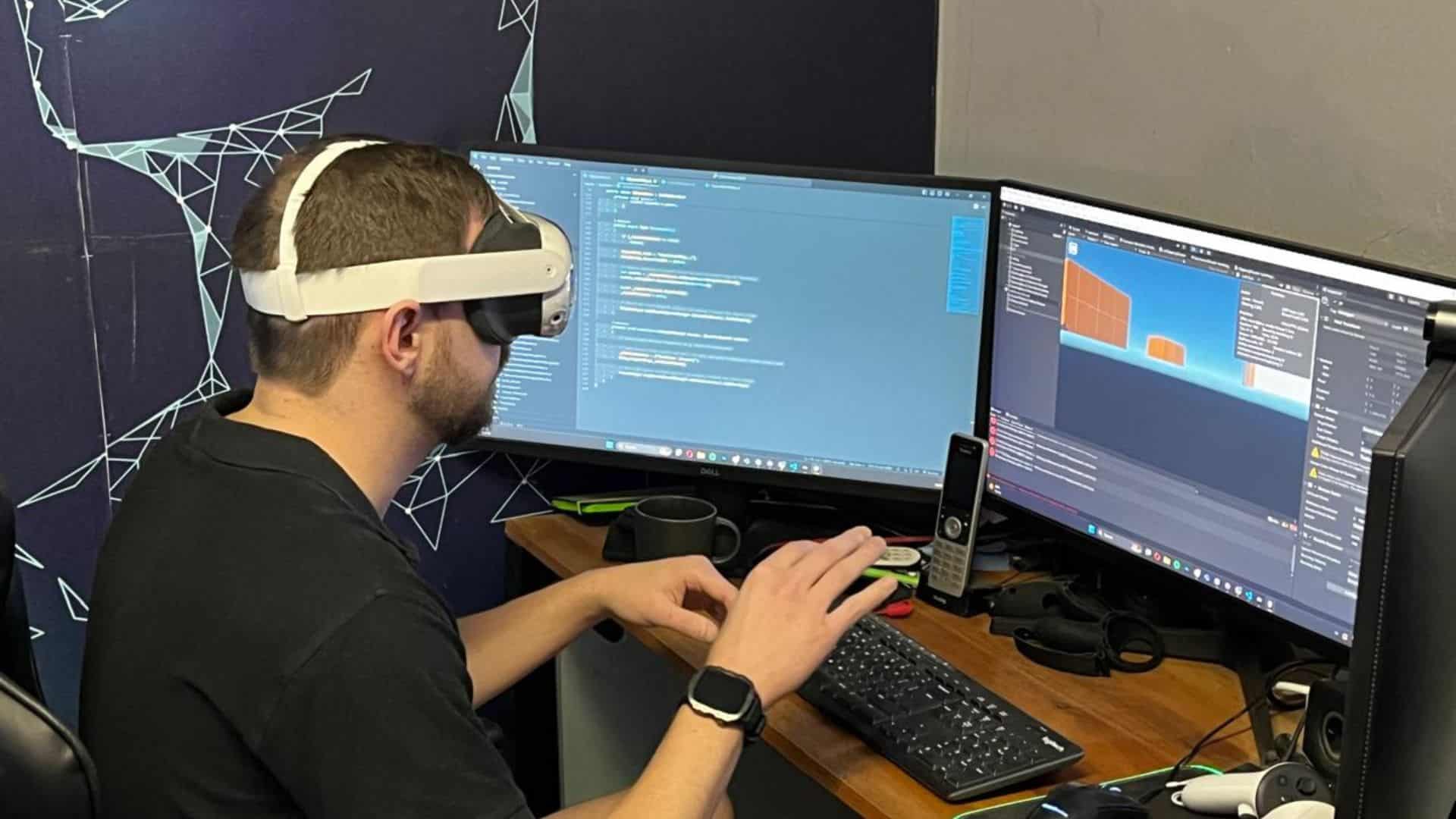
Sustainability and Environmental Impact
Reducing Carbon Footprint from Travel
Virtual Reality significantly reduces the need for physical travel, thereby lowering the carbon footprint associated with remote meetings and collaborations. By eliminating the need for employees to travel between offices or attend conferences in different locations, VR boardrooms contribute to substantial reductions in greenhouse gas emissions. This shift not only benefits the environment but also aligns with the global push towards more sustainable business practices. South African companies adopting VR for their remote work needs can showcase their commitment to environmental responsibility, enhancing their corporate social responsibility profiles and appealing to eco-conscious stakeholders and consumers.
Moreover, the reduction in travel mitigates the environmental degradation caused by transportation infrastructure, such as road construction and increased vehicle emissions. By leveraging VR technology, businesses can maintain high levels of productivity and connectivity without contributing to the negative environmental impacts typically associated with frequent travel. This sustainable approach to business operations supports long-term ecological balance and promotes a greener future for the industry.
Sustainable Alternatives to Traditional Office Spaces
Virtual Reality boardrooms offer a sustainable alternative to traditional office spaces by minimizing the need for extensive physical infrastructure. Traditional offices require significant resources for construction, maintenance, and utilities, all of which contribute to environmental degradation. In contrast, VR boardrooms enable businesses to operate efficiently without the same level of resource consumption. This reduction in physical office space not only lowers energy usage but also decreases the overall carbon footprint of the organization.
For South African businesses, adopting VR boardrooms can lead to substantial cost savings associated with rent, utilities, and office supplies. These savings can be redirected towards other sustainable initiatives, such as renewable energy installations, waste reduction programs, and green technology investments. Additionally, the flexibility of VR boardrooms allows companies to scale their operations without the need for expanding physical office spaces, further promoting sustainable growth and resource optimization.
By transitioning to virtual workspaces, businesses contribute to the preservation of natural resources and the reduction of their environmental impact. This sustainable approach fosters a culture of innovation and responsibility, positioning companies as leaders in environmental stewardship within their respective industries.
Virtual Events with Reduced Environmental Impact
Virtual Reality boardrooms also facilitate the hosting of virtual events, such as conferences, workshops, and seminars, with significantly reduced environmental impact compared to traditional in-person gatherings. Physical events often require extensive travel, accommodation, and the use of disposable materials, all of which contribute to environmental degradation. VR-powered events eliminate the need for such resources, offering a more sustainable alternative that still provides the benefits of face-to-face interaction and networking.
South African organizations can leverage VR to host large-scale virtual conferences that attract a global audience without the associated carbon emissions of international travel. These virtual events can incorporate interactive elements, such as virtual booths, live presentations, and networking lounges, creating an engaging and dynamic experience for participants. By reducing the reliance on physical venues and minimizing waste generation, VR boardrooms help businesses achieve their event objectives while adhering to their sustainability goals.
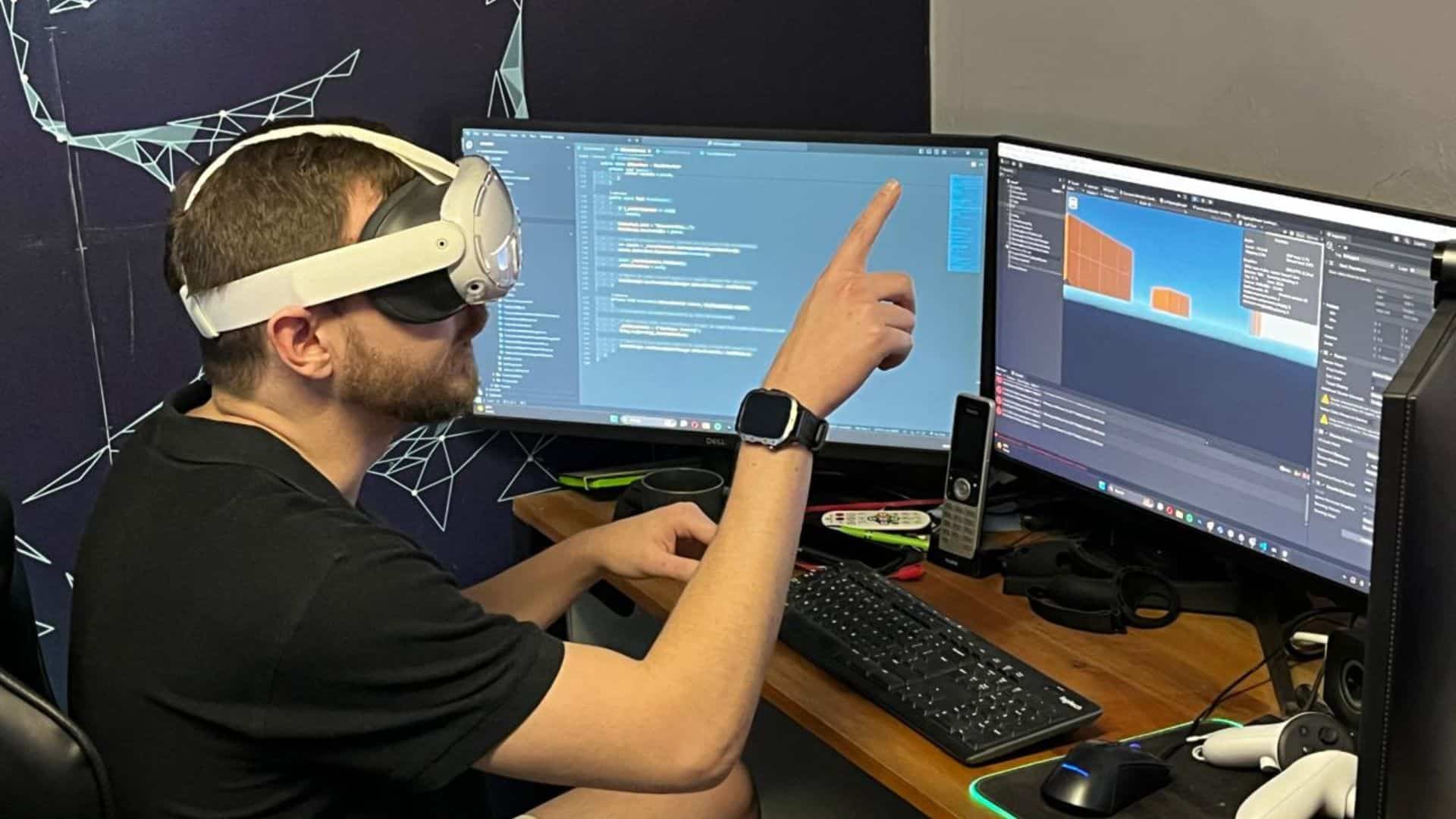
Frequently Asked Questions
What equipment is needed for a VR boardroom meeting?
To participate in a VR boardroom meeting, users typically need a VR headset, a computer or smartphone, and a stable internet connection. High-quality headsets like the Meta Quest or HTC Vive are popular choices for their comfort and compatibility with various VR meeting platforms. South African businesses may also benefit from investing in ergonomic accessories to enhance comfort during longer sessions. Additionally, ensuring that all participants have access to the necessary hardware and software is crucial for a seamless meeting experience.
How secure are virtual reality boardroom meetings?
Most VR boardroom platforms are designed with advanced security features, including encrypted communications and user authentication. These measures ensure that sensitive business discussions remain confidential and protected from unauthorized access. South African companies should choose platforms that prioritize data security and offer compliance with global privacy standards, such as GDPR. Additionally, regular security updates and robust cybersecurity protocols are essential to safeguard against potential threats and vulnerabilities.
What are the initial costs of setting up a VR boardroom?
The cost of setting up a VR boardroom can vary based on the chosen hardware, software, and the number of participants. Initial expenses typically include purchasing VR headsets and subscribing to a VR meeting platform. However, many businesses find that the long-term savings on travel and office space outweigh the initial investment, making it a cost-effective solution for modern meetings. For South African companies, budgeting for these initial costs involves considering factors such as the number of employees who will use the VR boardroom, the type of VR hardware required, and any additional accessories that may enhance the experience.
Can VR boardrooms be customized to fit our business needs?
Absolutely, VR boardrooms offer a high degree of customization to align with the specific requirements of your business. From branding elements like logos and color schemes to the layout of the virtual space, businesses can tailor the environment to reflect their corporate identity. Additionally, features such as interactive whiteboards, integrated collaboration tools, and customizable meeting templates allow organizations to create a meeting experience that suits their operational workflows. South African companies can leverage these customization options to enhance their virtual meetings, ensuring that the VR boardroom not only meets but exceeds their unique business needs, fostering a more cohesive and professional virtual environment.
How user-friendly are VR boardroom platforms for non-tech-savvy employees?
Modern VR boardroom platforms are designed with user experience in mind, making them accessible even for those who are not technologically inclined. Intuitive interfaces, guided tutorials, and seamless integration with existing tools help minimize the learning curve. Many platforms offer virtual onboarding sessions and ongoing support to ensure that all employees feel comfortable navigating the virtual environment. Additionally, features like voice commands and gesture controls simplify interactions, allowing users to focus on the meeting content rather than the technology itself. For South African businesses, investing in user-friendly VR platforms ensures that all team members can participate effectively, enhancing overall collaboration and productivity without the intimidation of complex technology.