

Unveiling the Next Generation of Wearable Tech
In the ever-evolving landscape of technology, augmented reality (AR) glasses stand out as a beacon of innovation, promising to seamlessly blend the digital and physical worlds. In 2024, Meta and Snapchat have pushed the boundaries with their cutting-edge AR glasses—the Meta Orion Smartglasses and Snapchat AR Spectacles. These devices, though not yet available to the public, offer a glimpse into the future of wearable technology, each bringing unique strengths and challenges to the table.
Bridging the Gap: The Quest for the Perfect AR Glasses
The Goldilocks Zone of Wearable Technology
Virtual reality (VR) headsets and traditional smartglasses represent two ends of the wearable tech spectrum. VR headsets immerse users in entirely virtual environments but are often bulky and impractical for everyday use. On the other hand, smartglasses offer a sleek, discreet design but lack the advanced functionalities that could revolutionize our interaction with the digital world. The ideal AR glasses, much like the Goldilocks zone in astronomy, aim to strike the perfect balance—combining the immersive capabilities of VR with the practicality of smartglasses.
Navigating the Challenges of Integration
Creating AR glasses that are both functional and fashionable involves overcoming significant technological hurdles. Miniaturizing hardware components without compromising performance is a delicate balancing act. Additionally, ensuring that these glasses are comfortable for extended wear while maintaining a stylish appearance adds another layer of complexity. Meta and Snapchat have each approached these challenges differently, resulting in two distinct iterations of AR eyewear that showcase the potential and pitfalls of current technology.
The Vision Behind AR Glasses
At their core, AR glasses are envisioned to be the next step in personal computing, replacing smartphones as our primary interface with the digital world. Imagine walking through a city where navigation prompts, notifications, and interactive elements seamlessly overlay your natural surroundings. This vision is not just about convenience; it’s about transforming how we perceive and interact with our environment. Both Meta and Snapchat are striving to turn this vision into reality, each bringing their unique perspectives and innovations to the development process.
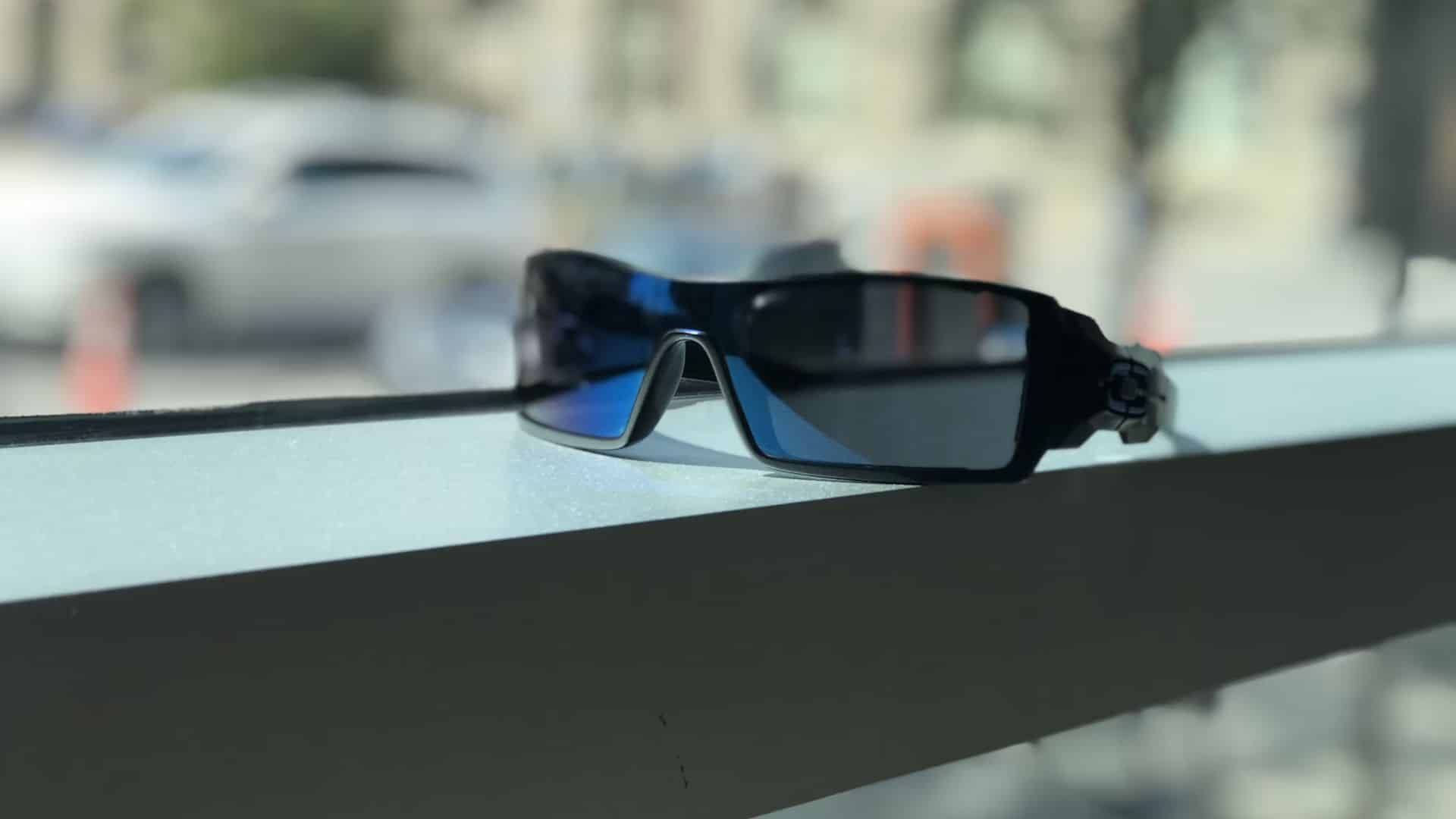
Meta Orion Smartglasses: A Technical Marvel
Unpacking the Three-Part System
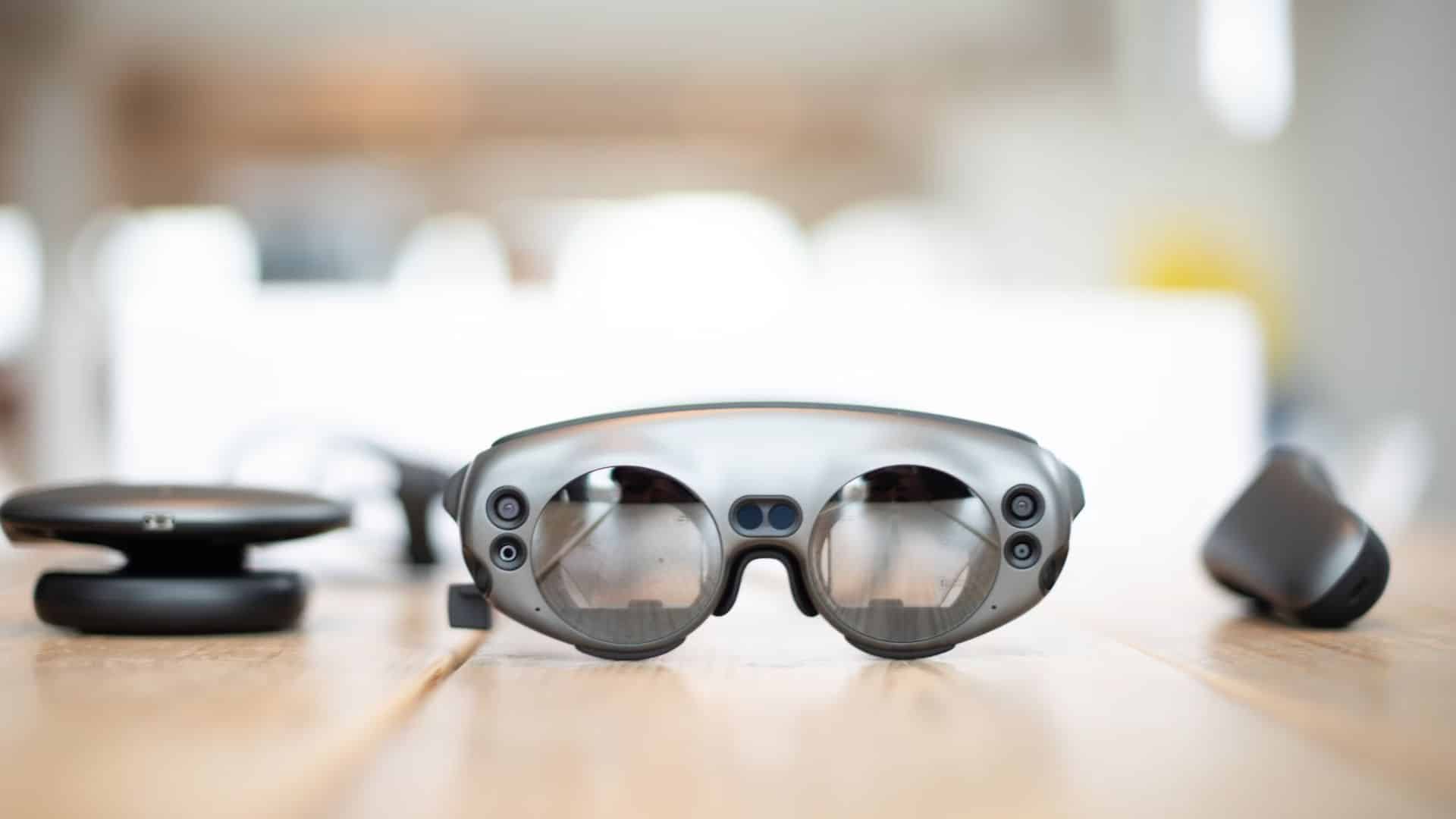
Meta Orion Smartglasses represent a comprehensive approach to AR technology, comprising three interconnected components: the glasses themselves, a wireless computer puck, and an EMG wrist strap. This triad works in harmony to deliver a rich augmented reality experience. The glasses serve as the primary display, the puck handles computational tasks, and the wrist strap acts as an intuitive input device by measuring electrical impulses from the user’s arm movements.
Advanced Input Mechanisms: EMG Wristband Innovation
One of the standout features of the Meta Orion Smartglasses is the EMG wristband. Electromyography (EMG) technology captures the electrical signals generated by muscle movements, translating them into commands. This allows for a high degree of precision and natural interaction, enabling users to perform gestures that control the AR interface without the need for external controllers. The integration of machine learning algorithms further enhances the accuracy and responsiveness of the wristband, making it a pivotal element in the overall user experience.
Cutting-Edge Display and Sensor Technology
The visual capabilities of Meta Orion are powered by an array of seven custom-designed sensors and cameras that facilitate eye tracking and environmental mapping. These sensors work in tandem with micro-LED projectors and waveguides to overlay digital content onto the real world with minimal distortion. The use of silicon carbide material in the construction ensures that light is refracted at extreme angles without compromising clarity. Despite these advancements, the glasses are thermally constrained, limiting battery life to two to three hours—a significant consideration for prolonged use.

Snapchat AR Spectacles: Developer-Centric Innovation
Integrated Hardware Design
Unlike Meta’s Orion, Snapchat AR Spectacles consolidate all necessary hardware into the glasses themselves, eliminating the need for an external computer puck. This integration results in a heavier and bulkier design, weighing in at 228 grams. The materials used, primarily black plastic with metal bands for heat dissipation, reflect a focus on weight management and thermal efficiency. While this design choice sacrifices some aesthetic appeal for functionality, it underscores Snapchat’s commitment to creating a standalone AR solution.
Superior Display Quality and Electrochromic Tint
Snapchat’s AR Spectacles boast a higher resolution display compared to Meta Orion, providing sharper and more detailed visuals. However, this comes at the cost of a narrower field of view, limited to 46 degrees. To enhance the user experience, the spectacles feature an electrochromic tint that can transition from clear to tinted. This technology not only improves readability and contrast but also allows users to partially fade their surroundings, creating a more immersive experience akin to that of VR headsets when desired.
Developer-Friendly Ecosystem
One of the most compelling aspects of Snapchat’s AR Spectacles is their focus on developers. By positioning the glasses as a developer kit, Snapchat encourages the creation of a diverse range of applications and experiences. With a subscription-based model and access to Snap OS, developers can experiment with and deploy a variety of lenses and apps, from interactive games like “Beatboxer” to practical tools like enhanced navigation or social media integration. This open ecosystem fosters innovation and accelerates the evolution of AR applications.

Comparative Analysis: Features and Performance
Design and Build Quality
Meta Orion and Snapchat AR Spectacles present contrasting design philosophies. Meta prioritizes a lightweight, transparent aesthetic with a separate computing unit, resulting in a more discreet and potentially comfortable form factor for everyday wear. In contrast, Snapchat opts for a more robust, all-in-one design that inherently adds weight and bulk. While Meta’s approach aims for minimalism and integration, Snapchat’s design emphasizes functionality and immediate usability without additional hardware.
Display Capabilities and User Experience
When it comes to display technology, Meta Orion offers a wider field of view at 70 degrees, providing a more expansive augmented reality environment. However, the resolution falls short compared to Snapchat’s sharper visuals at 46 degrees. This trade-off highlights the different priorities of the two companies: Meta focuses on creating a more immersive AR space, while Snapchat emphasizes clarity and detail. Users may find Meta’s broader view more engaging for dynamic interactions, whereas Snapchat’s high-resolution display is better suited for tasks requiring precision and visual fidelity.
Battery Life and Thermal Management
Battery life remains a significant challenge for both devices, with Meta Orion offering two to three hours and Snapchat’s Spectacles providing approximately 45 minutes of usage. Meta addresses thermal management through a separate computing puck and the use of magnesium frames as heat sinks, allowing for a slightly longer operational period. Snapchat’s integrated design, while innovative, struggles with overheating due to the confined space for heat dissipation, limiting the practical usage time. These limitations underscore the ongoing need for advancements in battery technology and thermal engineering in AR devices.
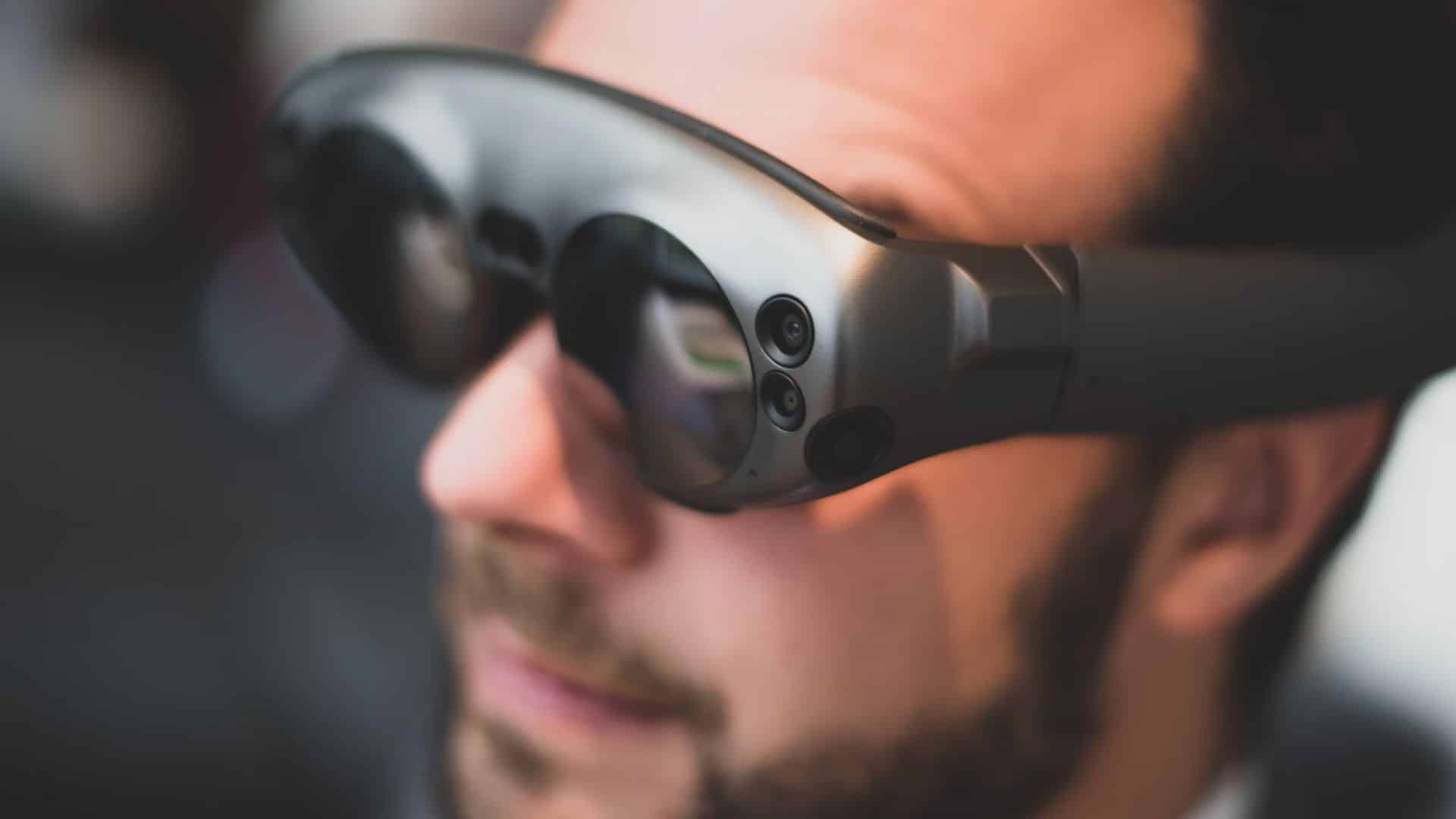
The Future of Augmented Reality: Potential and Challenges
Envisioning Everyday Applications
The potential applications for AR glasses extend far beyond simple notifications or entertainment. Envision scenarios where AR glasses enhance learning by providing real-time information overlays during lectures, assist in complex tasks by displaying step-by-step instructions, or revolutionize communication through immersive virtual meetings. Both Meta and Snapchat are laying the groundwork for these possibilities, each contributing unique features that could one day make AR glasses an indispensable tool in various aspects of daily life.
Overcoming Technological Hurdles
Despite the impressive advancements, several technological barriers must be addressed to bring AR glasses to mainstream adoption. Enhancing battery life, improving thermal management, and refining display technology are critical areas requiring ongoing research and development. Additionally, ensuring user comfort for extended wear and maintaining privacy and security in AR environments are paramount. Meta and Snapchat’s current prototypes provide valuable insights, but continued innovation is essential to surmount these challenges and achieve a fully realized AR ecosystem.
Market Readiness and Consumer Adoption
The transition from prototype to consumer-ready product involves not only technological refinement but also market education and acceptance. AR glasses must offer clear, tangible benefits that justify their adoption over existing devices like smartphones. Moreover, pricing remains a significant factor, with current prototypes suggesting a steep cost barrier. As Meta and Snapchat iterate on their designs and address these concerns, the path to widespread consumer adoption becomes clearer, paving the way for a future where AR glasses are as commonplace as smartphones are today.
Frequently Asked Questions
What Are the Meta Orion Smartglasses?
Meta Orion Smartglasses are an advanced augmented reality device that consists of three main components: the glasses, a wireless computer puck, and an EMG wristband. These elements work together to provide a rich AR experience by overlaying digital information onto the real world, tracking eye movements, and interpreting muscle signals for intuitive control.
How Do Snapchat AR Spectacles Differ from Meta Orion?
Snapchat AR Spectacles integrate all necessary hardware into the glasses themselves, eliminating the need for an external computer. They offer higher resolution displays and feature an electrochromic tint for enhanced visibility. However, they have a narrower field of view and shorter battery life compared to Meta Orion Smartglasses.
Are These AR Glasses Available to the Public?
As of 2024, neither Meta Orion Smartglasses nor Snapchat AR Spectacles are available for public purchase. Meta views Orion as a high-end tech demo, while Snapchat offers its Spectacles as a developer kit, intended for those who wish to create and experiment with AR applications.
What Are the Main Challenges Facing AR Glasses?
The primary challenges include miniaturizing hardware without compromising performance, improving battery life, managing heat dissipation, enhancing display quality, and ensuring user comfort. Additionally, creating a robust ecosystem of applications and addressing privacy concerns are crucial for widespread adoption.
What Future Developments Are Expected in AR Glasses?
Future developments are likely to focus on extending battery life, increasing display resolution and field of view, integrating more sophisticated sensors for better interaction, and refining the overall design for comfort and aesthetics. Enhanced software ecosystems and more affordable pricing will also play significant roles in the mainstream adoption of AR glasses.