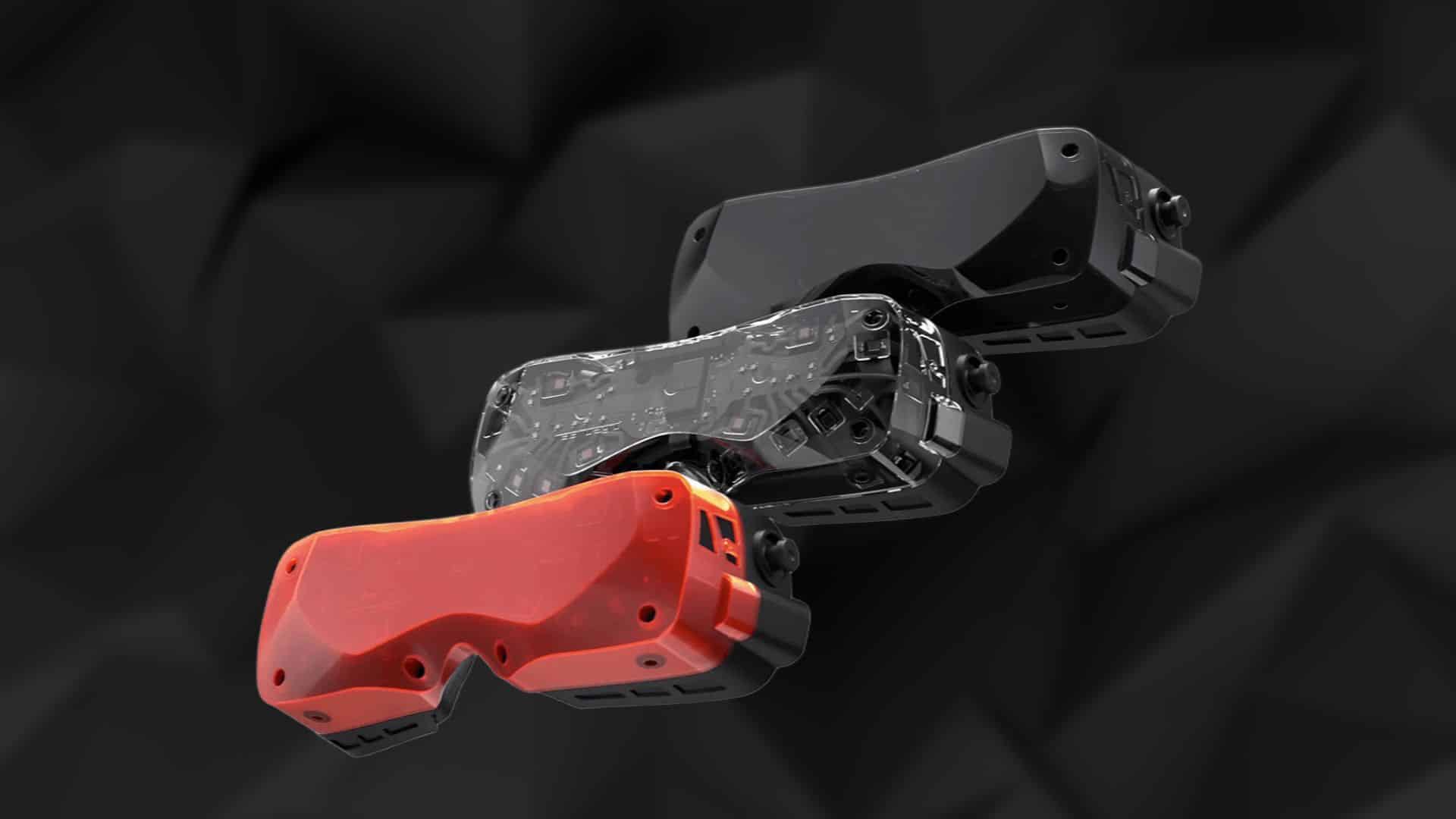

A New Realm of Comfort and Performance
Virtual reality enthusiasts often dream of a headset that flawlessly marries crystal-clear visuals with an effortless wearing experience. The Bigscreen Beyond 2 turns that vision into reality by merging advanced optical technology with a design philosophy rooted in comfort. No longer must users choose between image fidelity and prolonged usability; this headset delivers both in spades, offering a breathtaking glimpse into the future of VR. It caters to gamers seeking hyper-realistic worlds, professionals requiring uninterrupted precision, and everyone in between.
At the heart of the Beyond 2 lies a dedication to thoughtful engineering, from its meticulously crafted lenses to its ergonomically balanced form. The device is more than a mere upgrade over past generations—it’s a bold reimagining of how VR should feel, look, and perform. Every feature, whether it’s an ultra-wide field of view or seamless motion tracking, sets the stage for deeply immersive experiences. Below, we’ll explore the innovations that elevate the Beyond 2, showcasing why it’s reshaping the landscape of virtual reality for users worldwide.
Advanced Optical Innovations
Innovative Lens Engineering
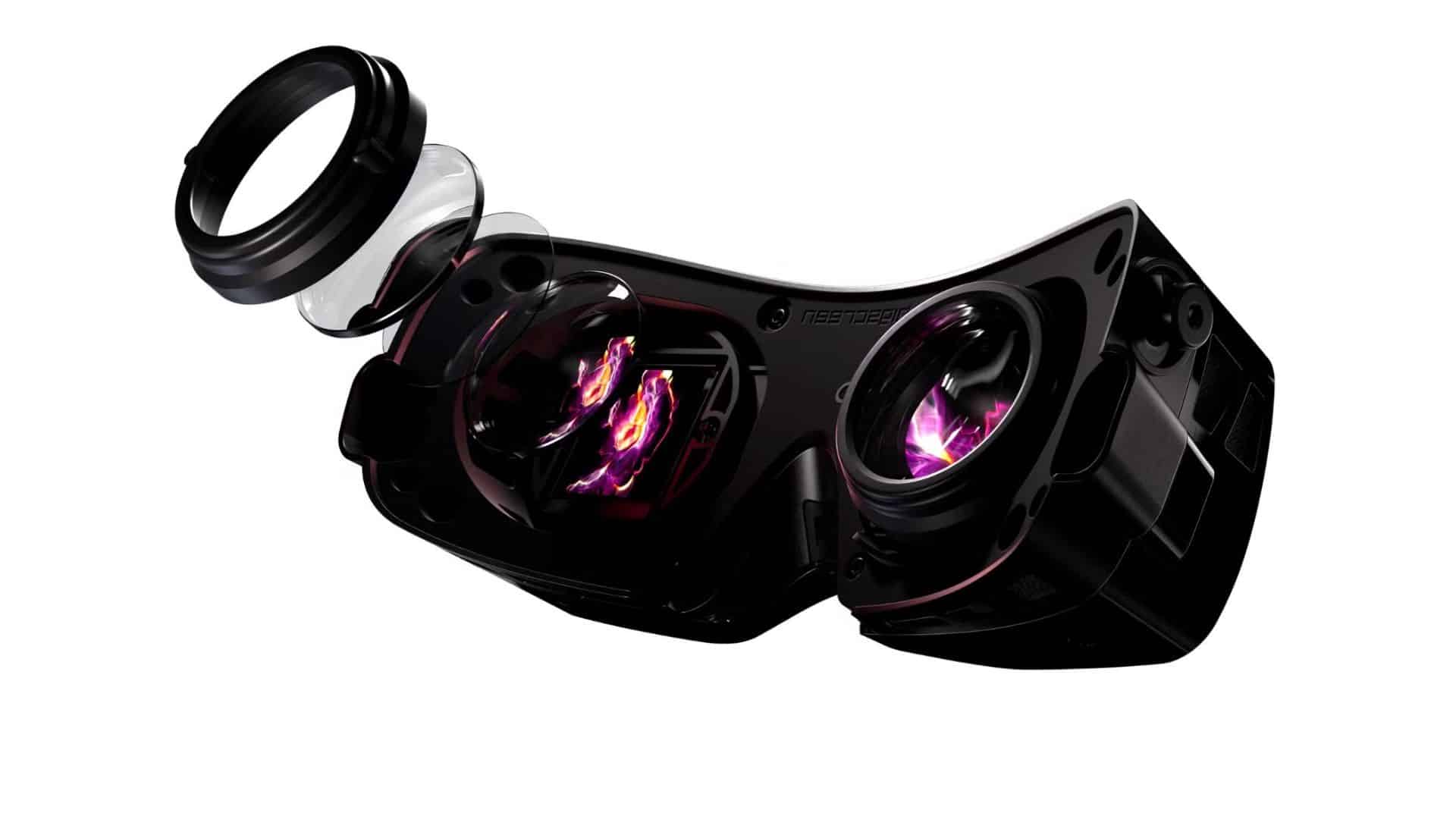
Picture gazing across a detailed digital vista without a hint of distortion or color fringing. The Beyond 2’s lens system accomplishes precisely that by prioritizing uniform focus, even at the outer edges of your vision. These redesigned optics attack classic VR pitfalls—like chromatic aberration—with surgical precision, ensuring that every pixel remains as sharp as the next. The result is a visual experience so lifelike you can practically feel the textures beneath your avatar’s feet or the subtle shading of distant objects.
This attention to optical detail also refines depth perception, making in-game environments feel natural and harmonious. By calibrating lens curvature and alignment, engineers minimized the “sweet spot” effect that once plagued VR headsets. Instead of a narrowly defined zone of clarity, users can explore peripheral areas with confidence. This lens technology transforms VR from a novelty to a realm where virtual horizons appear free of artificial artifacts, extending a genuine sense of immersion to every angle.
Expansive Field of Vision
One of the most enchanting aspects of stepping into a virtual environment is losing yourself in its vastness. The Beyond 2 capitalizes on this allure by dramatically reducing the black borders around the display. This design decision grants a wraparound field of view that envelops the senses, placing users squarely in the heart of each digital domain. From sweeping alien landscapes to meticulous flight simulators, the world feels boundless, encouraging deeper engagement.
By ensuring peripheral details remain crisp, the headset enhances spatial awareness—an especially important facet in fast-paced experiences like high-octane racing games or survival scenarios. This broader visual scope not only sharpens reaction times but also minimizes the disorientation that sometimes arises from abrupt viewpoint shifts. Ultimately, the Beyond 2’s field of vision feels less like peering through a pair of goggles and more like stepping into a second reality that gently blends with your own.
Sustained Clarity During Motion
In many VR headsets, rapid movement can lead to fleeting moments of image blur, disrupting the illusion of being elsewhere. The Beyond 2 tackles this issue with advanced stabilization mechanisms that keep the lenses perfectly aligned with the user’s eyes. Whether you’re dodging enemy fire or turning your head to scan your surroundings, the image remains remarkably sharp, preserving immersion when it matters most.
This rock-solid focus during motion also heightens situational awareness, a critical feature for simulations and competitive gaming. Pilots training on flight simulators can bank sharply without losing visual reference, while action gamers can pivot with agility without sacrificing clarity. Such consistency bolsters user comfort, reducing the risk of motion sickness and preserving the headset’s place as a go-to device for intense VR scenarios. By melding steady optics with real-time tracking, the Beyond 2 maintains a fluidity that feels genuinely transformative.
Futuristic Ergonomics
Bold Aesthetics and Functional Design
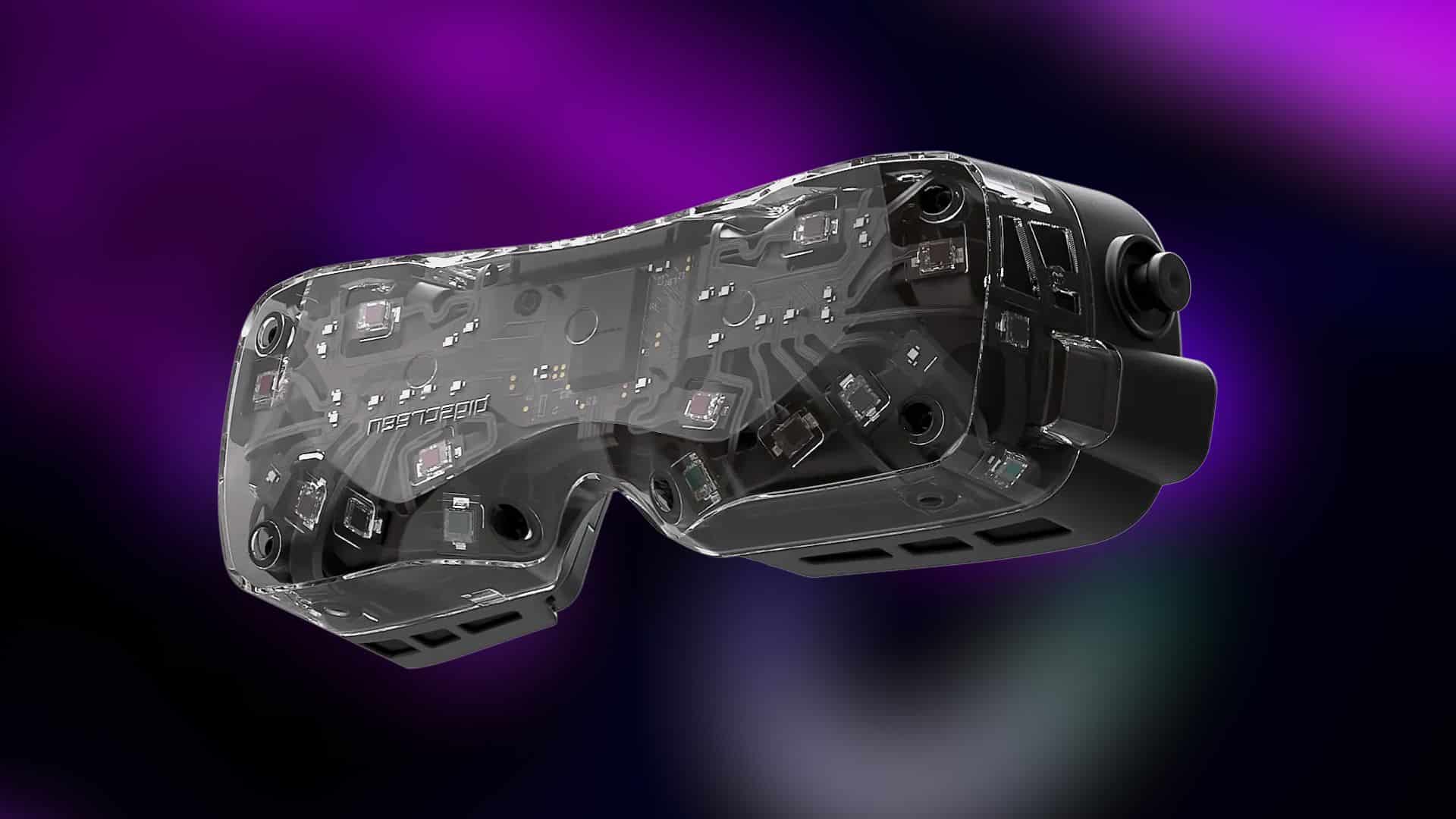
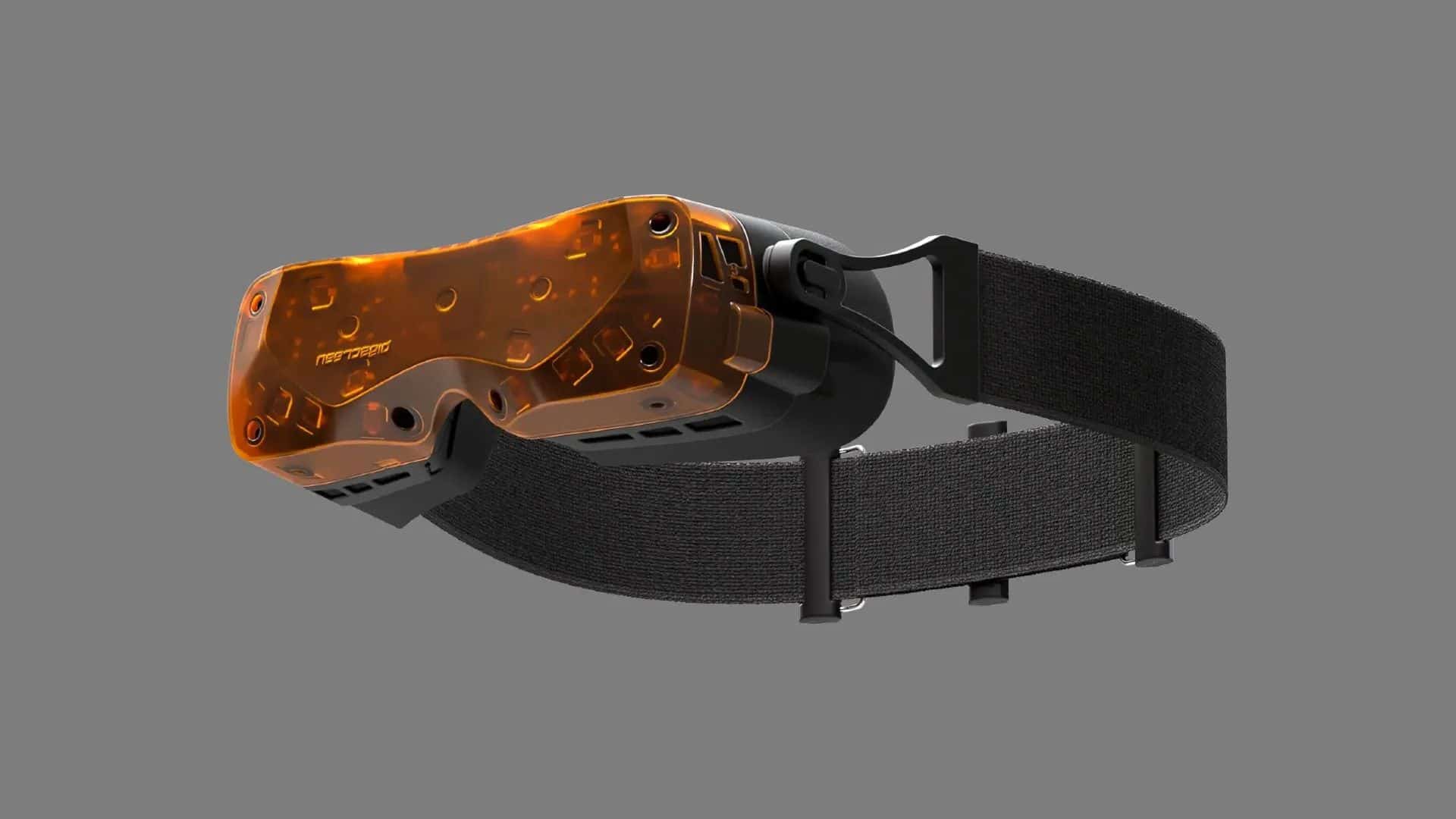
Slip on the Beyond 2, and the first thing you might notice is its confident styling. A signature “nuclear orange” trim, sleek contours, and well-balanced proportions set it apart from the crowd. Yet this bold aesthetic isn’t purely for show: each curve and material choice is the product of extensive research into user comfort. The visual impact, therefore, aligns with practical considerations, striking a balance that appeals to both design aficionados and functionality enthusiasts.
Moreover, this headset signals a step forward for VR gear that doesn’t merely copy utilitarian shapes. By integrating a futuristic aesthetic with solid engineering principles, the Beyond 2 becomes an object of desire rather than just another electronic device. This visual dynamism resonates with tech-savvy audiences who appreciate hardware that looks cutting-edge without compromising on weight distribution or build quality. It paves the way for VR to become a fashionable extension of everyday life—rather than a clunky gadget.
Ultra-Lightweight Construction
Comfort in virtual reality often hinges on the weight perched upon your head, especially during marathon sessions. The Beyond 2 excels in this regard, tipping the scales at just 270 grams for the full assembly. This remarkable achievement stems from the use of lightweight alloys, specialized plastics, and an internal layout designed to disperse stress evenly across the face. As a result, the headset sits so snugly that users can remain immersed for hours without discomfort.
Under this featherlight exterior lies a carefully orchestrated arrangement of components, ensuring heat dissipation and stable performance. The engineers prioritized breezy ventilation channels to prevent overheating, so you’re not forced to exit your game or simulation mid-session. This focus on minimal physical burden is an industry-defining shift, inviting everyone from competitive gamers to industrial trainees to embrace VR for extended periods without the usual neck strain and fatigue that once accompanied these experiences.
Precision IPD Adjustments
Every face is unique, and the Beyond 2 acknowledges this by integrating fully adjustable interpupillary distance (IPD). A small dial or slider allows you to fine-tune lens spacing, guaranteeing optimal optical alignment. This personalization ensures that users experience minimal eye strain, irrespective of their facial structure. It’s a simple yet transformative feature, particularly for those who previously found VR headsets uncomfortable or blurry.
This level of customization also extends to overall ergonomics. Because visual clarity ties closely to lens positioning, an accurately calibrated IPD can drastically enhance immersion. Text displayed within the headset appears sharper, objects maintain better proportions, and peripheral edges exhibit fewer distortions. In practice, this means you can explore digital worlds with an uncanny sense of realism, free from the nagging eye fatigue that plagues poorly adjusted setups. By catering to individual needs, the Beyond 2 underscores its mission: to offer a VR experience that feels tailor-made.
Unparalleled Visual Immersion
High-Fidelity Micro OLED Displays
At the core of the Beyond 2’s visual prowess lie micro OLED panels boasting an impressive resolution of 2560 × 2560 per eye. These high-density screens bring forth intricate detailing across everything from distant mountain ranges to the subtle, shining surfaces of futuristic spacecraft. Their pixel arrangement drastically reduces the “screen door effect,” ensuring that imagery appears continuous and cohesive rather than a matrix of dots.
This visual clarity breathes new life into content of all kinds, from cinematic VR storytelling to professional design software. Layered lighting effects, shadow gradations, and color accuracy benefit immensely from micro OLED’s refined output. Unlike older panels, the latest technology also improves on contrast ratios, allowing inky blacks and luminous whites that lend depth and atmosphere to immersive worlds. In short, each virtual scene sparkles with vibrancy, compelling users to linger just a bit longer in the digital realm.
Adaptive Refresh Rates
Motion integrity lies at the heart of any VR experience, and the Beyond 2 tackles this challenge with a refresh rate that dynamically adapts to the demands of your application. While the native rate sits at 75 Hz, advanced upscaling can boost it to 90 Hz whenever rapid movement is detected. This ensures that on-screen motion remains smooth, preventing ghosting or lag that can break the suspension of disbelief.
Beyond enhancing gameplay fluidity, adaptive refresh rates also cater to comfort by aligning with user activity. If you’re engaged in a slow-paced simulation focusing on fine details, the headset conserves power and resources. But the moment intense action or quick head movements enter the frame, the device ramps up refresh rates to keep visuals crisp and responsive. This intelligent balancing act offers the best of both worlds: silky-smooth performance when needed, coupled with efficient operation when tasks are more relaxed.
Integrated Audio Synergy
Immersion transcends visuals alone, which is why the Beyond 2 devotes equal attention to sound design. Built-in speakers deliver a balanced audio profile that perfectly meshes with on-screen action. Subtle audio cues, such as a faint breeze in a forest or the hum of electronics in a sci-fi corridor, anchor users firmly in the virtual setting. The result is a sonic environment that never overpowers external noises yet offers rich spatial feedback, heightening realism.
This synergy extends beyond simple stereo output. Algorithms adapt audio based on user orientation, creating a 3D soundstage that shifts seamlessly as you turn your head. That means hearing distinct footfalls behind you or pinpointing the source of an alarm in a busy environment. These spatial nuances not only amplify immersion but also boost gameplay and simulation effectiveness, guiding users toward critical cues they might otherwise miss. Audio thus becomes an integral pillar of the headset’s entire design philosophy.
Industry Transformations
Redefining VR for Education
Bigscreen Beyond 2’s advancements have broad implications for educational arenas. Complex subject matter—like molecular chemistry or architectural design—becomes tangible when rendered with precise visuals and lifelike detail. Students can freely explore virtual organisms or walk through historical monuments without time or space limitations. Such hands-on immersion fosters curiosity and deepens learning, bridging gaps that textbooks and standard videos cannot fill.
Instructors, too, are leveraging VR’s potential by creating interactive lessons that adapt to each learner’s pace. By harnessing the headset’s adjustable optics and intuitive controls, educators can accommodate varying student comfort levels. This multiplies the kinds of courses that can adopt VR modules, from language instruction to advanced engineering labs. In short, the device’s user-friendly design makes it straightforward to incorporate cutting-edge education without sacrificing ease of use or diminishing engagement.
Healthcare and Professional Applications
The healthcare industry stands to benefit considerably from the Beyond 2’s high-resolution displays and consistent focus during movement. Surgeons can refine their skills on virtual cadavers that faithfully replicate human anatomy, while therapists may guide patients through rehab exercises that appear as engaging mini-games. Such simulations reduce both risk and cost, providing realistic practice scenarios where professionals sharpen techniques before dealing with real patients.
Other sectors—including aerospace, architecture, and automotive manufacturing—gain a reliable means to design and train through VR. Subtle design elements, from structural supports to mechanical layouts, appear clearer and more accurate. Workers can conduct safety drills or product tests in immersive environments tailored to reflect real-world stressors. This versatility stands as a testament to how leaps in optical quality, comfort, and user customization have turned VR from a niche gadget into an invaluable professional tool across countless domains.
Expanding Horizons in Gaming
Gaming remains at VR’s creative core, and the Beyond 2 brings a new level of excitement to the table. High frame rates, precise optics, and robust build quality allow for extended play sessions that feel nearly effortless. Whether you’re piloting a starship or dueling monsters in a fantasy realm, the fluid visuals and refined audio generate a cinematic thrill. Even casual gamers find themselves enthralled by experiences that now feel more lifelike than ever.
Studios, meanwhile, seize the opportunity to develop titles that exploit these hardware advantages. Artists can create lavish textures and designs, animators can push fluid motion, and sound engineers can layer in intricate audio experiences. The cumulative effect is a gaming ecosystem that blurs lines between reality and fiction. As more gamers dive into VR’s next generation, the Beyond 2 establishes itself as a flagship device that keeps enthusiasts at the cutting edge of interactive entertainment.
Charting the Next Chapter in Immersive Tech
The Future of VR
The Bigscreen Beyond 2 symbolizes a broader shift in VR from novelty to necessity. As more industries adopt virtual solutions, demands for higher resolution, reduced weight, and user-friendly interfaces will only intensify. Future headsets may incorporate even sharper displays, real-time eye tracking, and advanced gesture controls. The ultimate goal: to dissolve boundaries between the user’s physical setting and virtual environment, achieving a convergence that feels as natural as breathing.
These evolutions extend beyond gaming and simulation, influencing fields like social VR, where users congregate in virtual spaces to converse or collaborate. Refined headsets open avenues for richer expression and non-verbal cues, bridging the gap between online interaction and face-to-face contact. With the blueprint laid by the Beyond 2, emerging VR systems will continue to refine the delicate interplay of optics, ergonomics, and intuitive control, setting the bar ever higher for tomorrow’s immersive encounters.
Broadening Adoption
One of the biggest barriers to VR’s widespread acceptance has been complexity. Setting up external sensors, grappling with heavy gear, and managing wires can discourage new users. The Beyond 2’s lightweight design and straightforward adjustability ease these pain points, inviting everyone from children to older adults into virtual realms. Improved comfort fosters positive experiences, reducing the intimidation factor that has previously restricted VR to enthusiasts and tech experts.
Beyond personal entertainment, organizations see the value of adopting VR solutions that promise minimal training overhead and maximum adaptability. Hospitals can integrate them into patient care programs without an army of tech specialists, while schools can set up multiple units for entire classes. This broadening adoption cycle accelerates as success stories and positive word-of-mouth spread. The more intuitive and welcoming the hardware becomes, the more VR’s presence expands across demographics and professional fields alike.
Potential for Ongoing Innovation
From advanced lens technology to ergonomic breakthroughs, the Beyond 2 demonstrates the VR sector’s capacity for rapid, meaningful progress. Looking ahead, improvements might include more sophisticated haptics, realistic environmental simulations, or even brain-computer interfaces that read neural signals directly. Each new innovation enriches the VR tapestry, attracting fresh minds who envision possibilities beyond gaming—like virtual tourism or immersive storytelling that transcends conventional media.
This cycle of innovation feeds itself: as more users experience top-tier VR, market demand propels further research and development. Companies experiment with novel materials, software integrations, and content ecosystems to differentiate themselves. Meanwhile, user feedback loops spark incremental refinements, fine-tuning every lens assembly or head strap design. The result is a constantly evolving landscape, where each leap forward—like the Bigscreen Beyond 2—encourages the next generation of VR advancements to flourish.
Frequently Asked Questions
What distinguishes the Bigscreen Beyond 2 from other VR headsets?
The Beyond 2 features advanced lens technology that minimizes distortions, a lightweight build for prolonged comfort, and customizable adjustments tailored to individual facial structures. These elements combine to deliver an experience that balances clarity, immersion, and ease of use, making it a standout choice among VR enthusiasts.
How does adjustable IPD improve user comfort?
Adjustable interpupillary distance (IPD) allows each user to fine-tune lens spacing, aligning images with their unique eye positions. This alignment ensures sharper visuals and reduces strain, enabling more extended sessions without the usual fatigue or discomfort associated with poorly fitted headsets.
Is the native refresh rate sufficient for fast-paced games?
While the native refresh rate is 75 Hz, the Beyond 2 can upscale to 90 Hz for smoother motion. This adaptability means rapid head movements or intense action sequences appear more fluid, diminishing motion blur and enhancing the overall gaming or simulation experience.
Why is the headset’s lightweight construction so crucial?
A lighter headset, weighing around 270 grams in the case of the Beyond 2, alleviates pressure on the neck and face. By evenly distributing weight and preventing excessive strain, users can remain immersed for longer durations without discomfort, benefiting gamers, trainees, and professionals alike.
What can we expect from the next generation of VR technology?
Future VR devices will likely focus on sharper resolutions, more intuitive interface options, and deeper sensory integration. Innovations such as advanced eye tracking, improved haptic feedback, and brain-computer interfaces may drive VR toward becoming a natural extension of daily life, continuing the path the Beyond 2 has already set in motion.