
The Rise of Digital Fitness
Over the past decade, the fitness industry has undergone a dramatic transformation. Once dominated by traditional gyms and personal trainers, it now includes a kaleidoscope of options: boutique studios, on-demand streaming workouts, smart home equipment, and wearable technologies. The pandemic accelerated this diversification, propelling digital fitness from a supplementary choice into a central fixture in people’s wellness routines. As gyms shuttered worldwide, consumers discovered that staying fit didn’t have to be tied to a physical location.
Yet, as restrictions eased, a pressing question lingered: could technology ever truly replace the experience of the gym? Now, with the dawn of the metaverse and the rapid evolution of virtual reality (VR), that question takes on new dimensions. VR fitness platforms, once niche experiments, are entering the mainstream, positioning themselves as immersive, entertaining, and potentially transformative alternatives to the gym. The promise is alluring—step into a headset, and you can box on a rooftop in Tokyo, cycle through the French Alps, or join a HIIT class in a neon-lit virtual arena without ever leaving your living room.
But can VR really replace the gym, or will it simply become another layer in our ever-expanding fitness ecosystem?
Immersion as Motivation
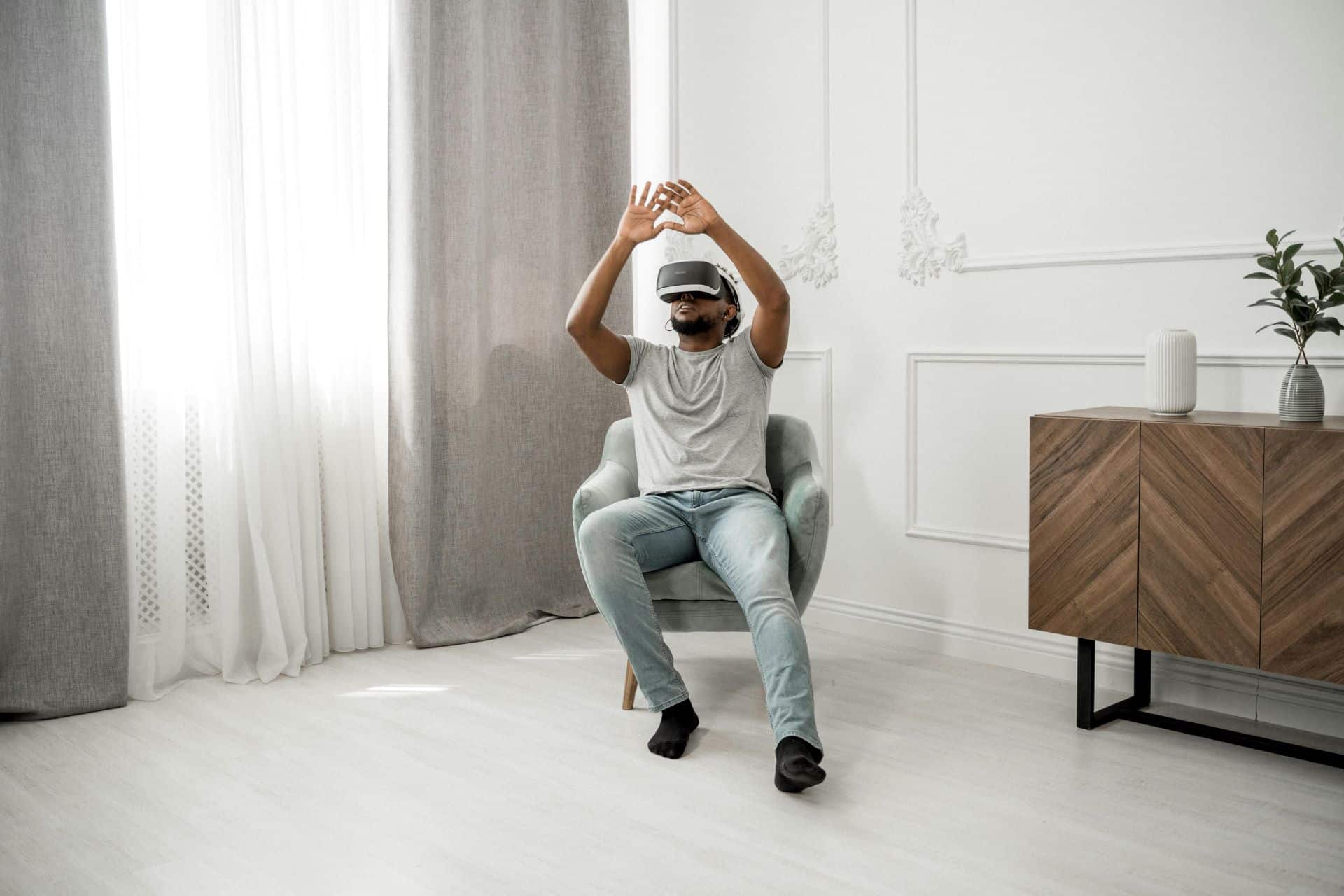
One of the greatest challenges in fitness is adherence. The gym is often intimidating, repetitive, and inconvenient, leading to drop-off rates that frustrate both consumers and gym operators. VR offers a compelling antidote: immersion. In a VR fitness environment, the sense of presence and engagement can trick the brain into forgetting that it is exercising. Instead of focusing on the burn of a squat or the monotony of running on a treadmill, users may find themselves captivated by dodging projectiles, chasing digital opponents, or exploring expansive virtual landscapes.
Studies into VR fitness have suggested that perceived exertion is often lower in immersive environments. This means that participants may work harder while feeling like they are doing less, a psychological edge that could reshape motivation. A twenty-minute cardio session disguised as an intergalactic adventure may seem less like a chore and more like entertainment, bridging the gap between exercise and play. For people who struggle with consistency, this gamified approach could be revolutionary.
The Power of Gamification
Gamification is not new in fitness—points, leaderboards, and streaks have long been used to drive engagement. Yet, VR pushes gamification beyond badges and numbers into lived experience. Instead of merely tracking progress, VR makes the workout itself feel like a game. Sword-fighting an opponent, climbing a virtual mountain, or participating in a multiplayer dance-off are all inherently motivating because they satisfy not just physical needs but psychological ones as well.
Fitness in the metaverse also taps into the intrinsic human desire for achievement and competition. Many VR platforms integrate multiplayer experiences, enabling users to train with friends or strangers across the globe. This communal aspect, long considered one of the gym’s key strengths, is reimagined in a virtual context. Imagine stepping into a digital spin studio where every participant appears as an avatar, complete with real-time leaderboards and post-class celebrations. The potential for connection, even without physical proximity, is enormous.
Accessibility and Inclusivity
Another strength of VR fitness is its accessibility. Traditional gyms can be exclusionary—geographically limited, costly, or intimidating for beginners. VR fitness, by contrast, removes several of these barriers. For individuals in rural areas, those with mobility constraints, or people uncomfortable with the social dynamics of a gym, VR offers a safe and accessible alternative.
Moreover, VR allows fitness to be personalised to an extraordinary degree. Avatars can be customised, environments tailored, and workouts adapted to individual needs. A user with limited mobility, for example, can select seated workout options, while others might opt for high-intensity sessions in visually inspiring worlds. Unlike many physical spaces that operate with a one-size-fits-all mentality, the metaverse can be endlessly adaptable, democratising access to fitness experiences.
The Science of Sweat
While the motivational and psychological aspects of VR are compelling, the physical effectiveness of VR fitness must be scrutinised. Can a VR workout truly match—or exceed—the physical benefits of a traditional gym session?
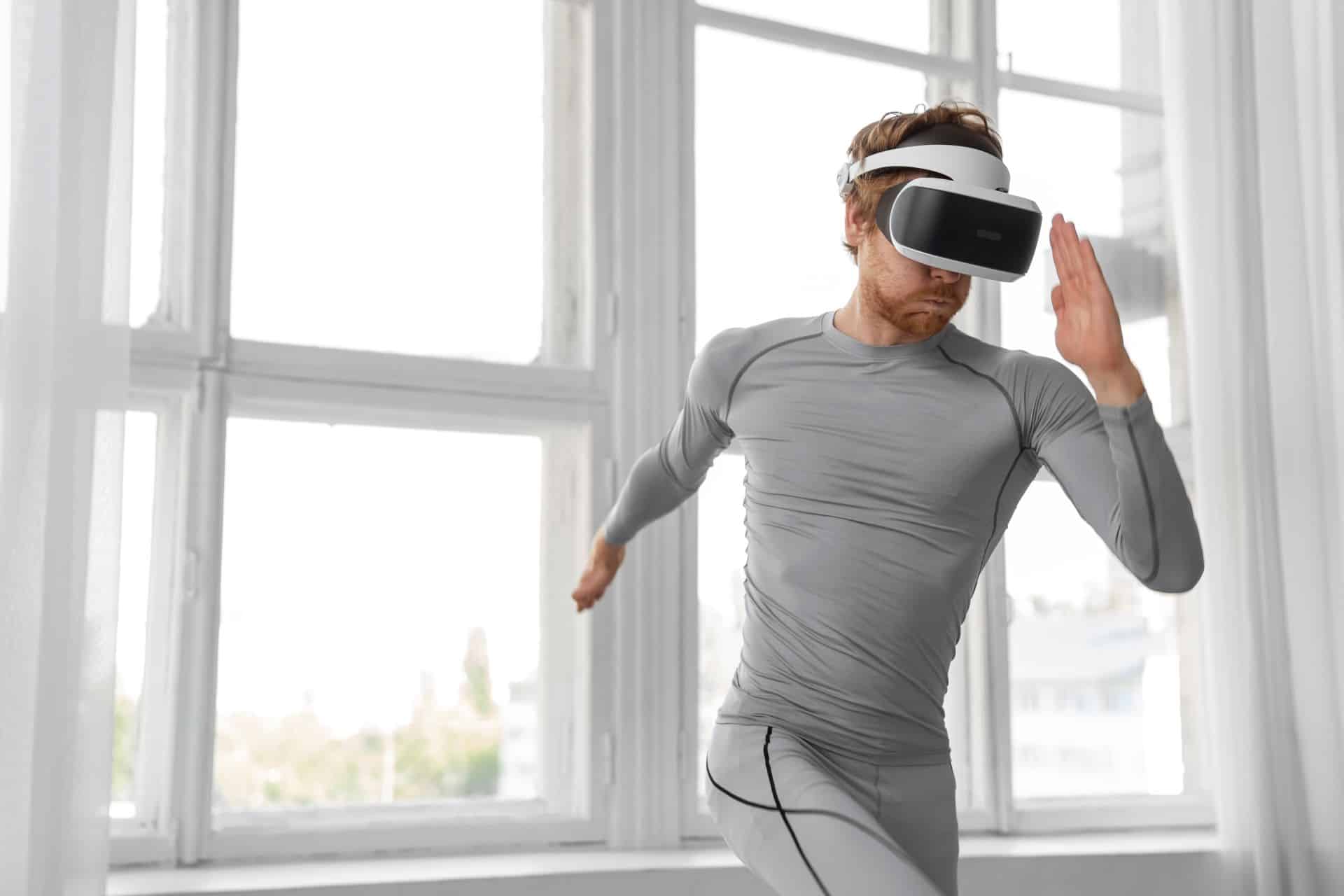
Research into energy expenditure in VR workouts has shown encouraging results. Titles such as Beat Saber, Supernatural, and FitXR can rival moderate to high-intensity exercise classes, with calorie burns comparable to boxing or aerobic dance. The full-body engagement required by many VR fitness programs—ducking, punching, squatting, reaching—creates a compound workout that targets multiple muscle groups.
However, VR fitness does have limitations. Weight training, for instance, cannot be fully replicated in a virtual environment without physical equipment. While resistance bands and smart weights can be integrated, the tactile experience of lifting a heavy barbell or the progressive overload necessary for muscle growth is difficult to simulate purely in VR. Thus, while VR can provide cardiovascular and general conditioning benefits, its ability to replace strength training is, at least for now, limited.
Social Dynamics: The Gym vs. the Metaverse
One of the gym’s greatest assets is its social fabric. The community atmosphere, the presence of trainers, and the unspoken camaraderie among fellow gym-goers create a sense of belonging that drives loyalty. Can VR replicate this?
In some ways, yes. Multiplayer platforms and shared environments provide social interaction, while the anonymity of avatars can reduce self-consciousness, empowering individuals who might otherwise feel judged in a gym. The global reach of VR also creates opportunities for diverse connections—training with someone in another country, for example, adds a cultural dimension rarely found in local gyms.
Yet, the tactile human connection of spotting a friend on the bench press, sharing small talk between sets, or receiving a trainer’s physical adjustments cannot be entirely digitised. The gym, for many, is as much about community as it is about exercise. While VR can offer connection, it is a mediated and abstracted form of it, raising questions about whether it satisfies the deeper social needs tied to fitness culture.
Hardware, Costs, and Practicalities
The feasibility of VR fitness depends not just on its effectiveness but also on accessibility in terms of hardware and cost. High-quality VR headsets, while becoming more affordable, still represent a significant investment. Add in subscription fees for fitness platforms, and the financial barrier may rival or even exceed that of a gym membership.
There are also practical considerations. VR workouts require space, often several square metres of clear floor area, which is not feasible in all homes. Sweat and hardware compatibility are additional issues; headsets can become uncomfortable during intense sessions, and long-term durability under heavy perspiration remains a concern. While accessories such as wipeable covers and cooling fans are improving the experience, the reality of exercising with a headset is still less practical than a pair of running shoes.
The Hybrid Future
The question of whether VR can replace the gym may, ultimately, be the wrong one. Rather than displacing traditional fitness spaces, VR may complement them, carving out a hybrid future where physical and virtual experiences co-exist.
For those who thrive in gyms, VR can offer supplementary workouts at home, filling in gaps when travel, weather, or scheduling make in-person training difficult. For others, VR may serve as the primary fitness platform, especially for those disinterested in conventional gyms. Fitness brands are already exploring this convergence, with some gyms experimenting with VR pods, offering members a blend of digital immersion and real-world community.
The fitness industry has always been adaptive, evolving with cultural shifts and technological advances. Just as on-demand streaming, wearables, and connected equipment reshaped consumer expectations, VR is poised to become another pillar in the ecosystem—not a replacement, but a reinvention of what fitness can mean.
A Question of Experience
At its core, fitness is not merely about burning calories or sculpting muscle. It is about experience—the feeling of accomplishment after a workout, the mental clarity of movement, the joy of play, the bonds formed with others. The gym provides one version of that experience; VR provides another. Neither is inherently superior, but both speak to different needs, personalities, and lifestyles.
What the metaverse brings is possibility. The possibility of making fitness more engaging for those who find gyms unappealing. The possibility of lowering barriers for those who lack access to traditional facilities. The possibility of weaving together play, connection, and health in ways previously unimaginable.
Whether VR can replace the gym is perhaps less important than recognising how it expands the very definition of fitness. As technology continues to blur the line between physical and digital worlds, the future of fitness may not be about choosing one over the other but about embracing a spectrum of experiences where the gym, the home, and the metaverse all have their place.