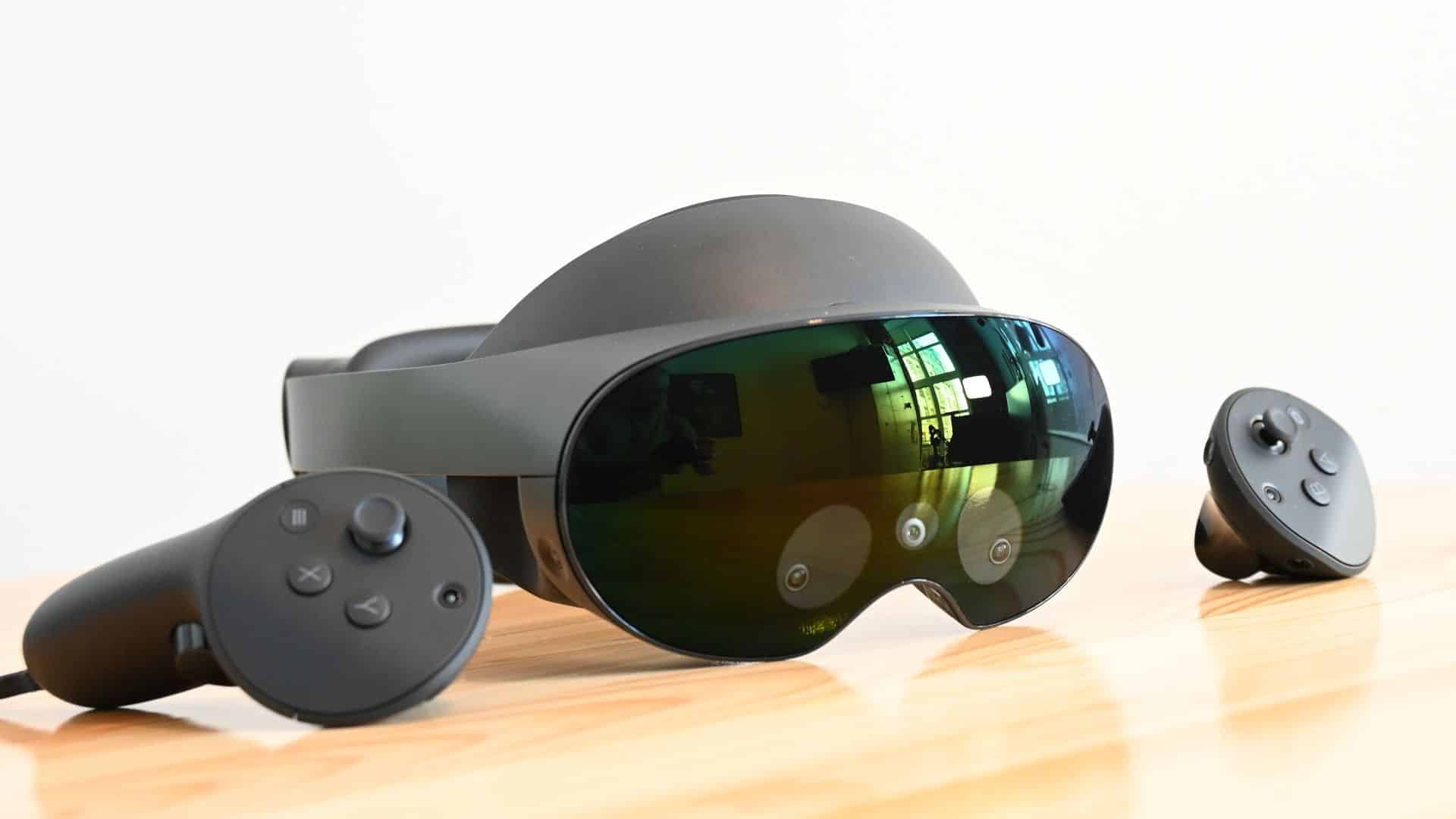

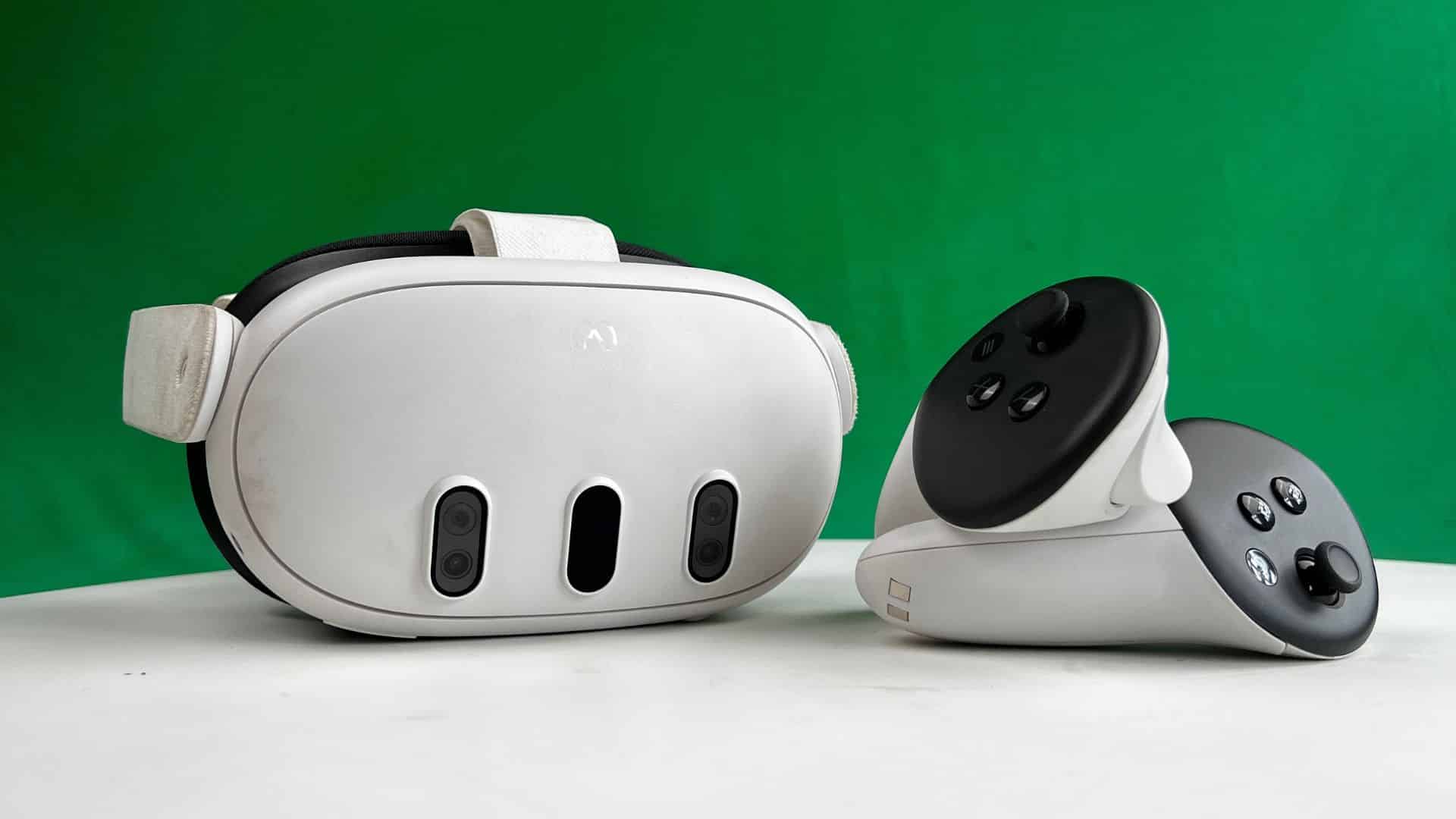
As the virtual reality landscape evolves, the release of Meta’s Quest 3s at a fraction of the Quest Pro’s price has left many enthusiasts pondering the Pro’s continued relevance. This exploration delves into whether the Quest Pro still holds its ground amidst more affordable, yet feature-rich alternatives.
Navigating the Virtual Frontier: A Prelude to the Quest Pro’s Relevance
In the ever-advancing realm of virtual reality, staying ahead of the curve is paramount. The introduction of the Quest 3s has stirred conversations about the Quest Pro’s standing in 2024. Is the premium investment still justified, or have newer models rendered it obsolete? By dissecting performance, value, user experience, and future prospects, we aim to provide a comprehensive analysis for potential buyers and VR enthusiasts alike.
Performance and Features Comparison
Hardware Specifications: Power Meets Precision
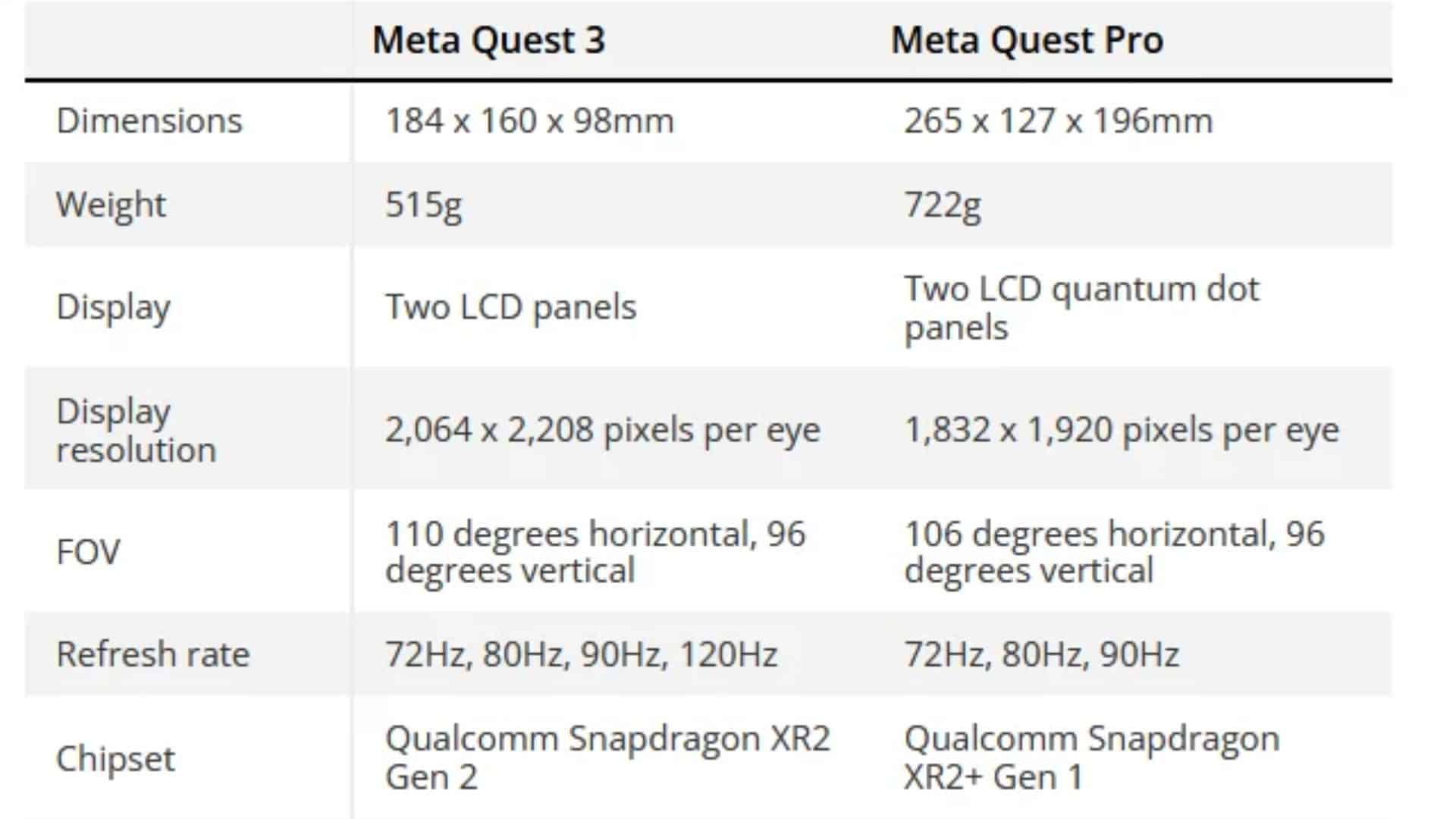
The Quest Pro was lauded for its high-end hardware upon release, boasting superior processing capabilities and enhanced display resolutions. Its robust build catered to both gaming and professional applications, setting a benchmark in the VR industry. However, the Quest 3s introduces incremental upgrades in processing speed and graphical fidelity, narrowing the performance gap. While the Quest Pro still excels in raw power, the Quest 3s offers comparable performance at a significantly lower price point.
This evolution mirrors the rapid advancements in technology, where each new iteration brings refined enhancements. The Quest Pro’s hardware remains formidable, yet the Quest 3s leverages economies of scale and improved manufacturing processes to deliver similar, if not superior, performance metrics without the hefty price tag. For users prioritizing cutting-edge specs, the Quest Pro remains a strong contender, though the Quest 3s presents a compelling alternative.
Display Technology: Clarity and Immersion
Visual fidelity is a cornerstone of immersive VR experiences, and both the Quest Pro and Quest 3s excel in this domain. The Quest Pro features high-resolution displays with advanced optics, providing crisp and vibrant visuals that enhance realism. The Quest 3s, while slightly lower in resolution, incorporates newer display technologies that reduce latency and improve color accuracy, contributing to a more seamless visual experience.
Moreover, the Quest 3s integrates adaptive refresh rates and improved anti-flicker measures, addressing common VR display issues. These enhancements result in smoother motion rendering and reduced eye strain, crucial for prolonged use. Although the Quest Pro’s display remains top-tier, the Quest 3s offers comparable quality with modern advancements, making it a worthy alternative for users seeking exceptional visual performance without the premium cost.
Controller and Tracking Innovations
The Quest Pro’s controllers were designed with precision tracking and ergonomic comfort in mind, offering intuitive interaction within virtual environments. Their advanced haptic feedback and gesture recognition capabilities set a high standard for user engagement. Conversely, the Quest 3s introduces refined controllers that build upon this foundation, incorporating enhanced sensors and more responsive haptics at a fraction of the price.
The Quest 3s also benefits from improved tracking algorithms, resulting in more accurate and reliable motion detection. This translates to a more immersive and fluid interaction, essential for both gaming and professional applications. While the Quest Pro’s controllers remain highly capable, the Quest 3s provides similar functionality with updated innovations, ensuring that users receive a superior tracking experience without the associated cost premium.
Price and Value Proposition
Cost-Benefit Analysis: Weighing the Investment
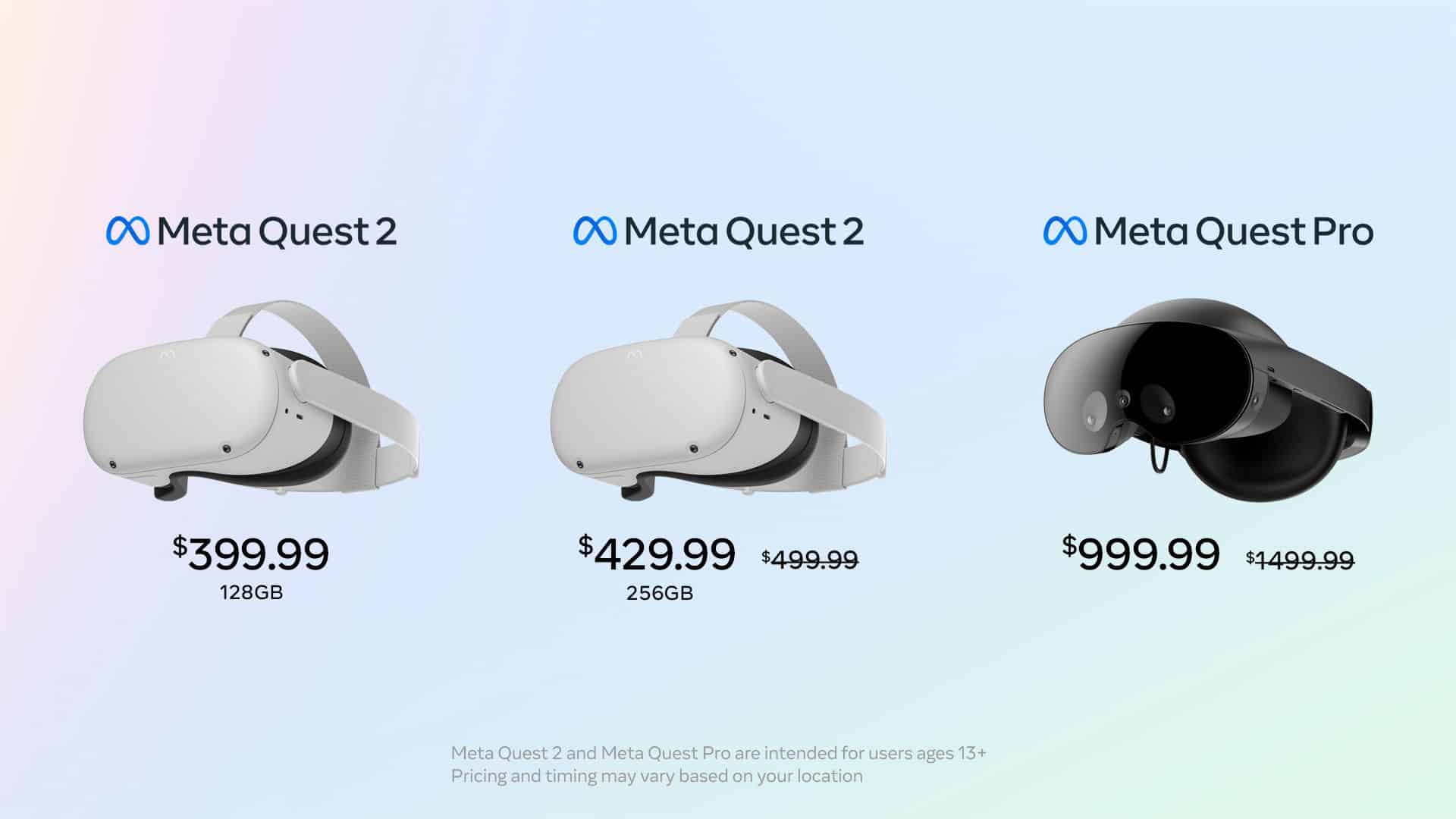
The Quest Pro commands a premium price, reflecting its advanced features and target market of both gamers and professionals. This higher cost is justified by its superior hardware, enhanced comfort, and extended support, making it a worthwhile investment for users who demand the best VR experience. However, with the launch of the Quest 3s at approximately one-third the price, the value proposition shifts significantly.
The Quest 3s offers a compelling balance between cost and functionality, delivering many of the Quest Pro’s key features at a more accessible price point. For budget-conscious consumers, the Quest 3s presents an attractive alternative without sacrificing essential performance metrics. This democratization of high-quality VR technology broadens accessibility, allowing a wider audience to engage with immersive experiences without the financial barrier.
Long-Term Value: Durability and Support
Investing in the Quest Pro also means benefiting from extended software support and firmware updates, ensuring longevity and compatibility with future VR advancements. Meta’s commitment to the Pro model includes regular updates, feature enhancements, and dedicated customer support, which can extend the device’s usable lifespan. This long-term support adds substantial value, as users can rely on their investment to remain relevant and functional over several years.
In contrast, the Quest 3s, while more affordable, may have a shorter support window or less frequent updates, potentially limiting its long-term viability. However, the lower initial cost mitigates this concern, allowing users to upgrade more frequently as new models are released. The Quest Pro’s durability and sustained support make it a valuable asset for those seeking a long-term VR solution, whereas the Quest 3s offers flexibility and affordability for users comfortable with more frequent upgrades.
Resale and Depreciation: Maximizing Returns
The Quest Pro typically retains a higher resale value compared to its more affordable counterparts, owing to its premium status and sustained demand. This aspect can offset the initial investment, providing users with a potential return should they choose to upgrade in the future. The durability and enduring relevance of the Quest Pro further enhance its resale appeal, making it a prudent financial decision for long-term users.
Conversely, the Quest 3s, while initially cheaper, may depreciate more rapidly due to its lower price point and potentially shorter lifecycle. However, the affordability of the Quest 3s allows users to recuperate their investment more easily, even with a faster depreciation rate. This dynamic offers flexibility for those who prioritize lower upfront costs and are less concerned with long-term resale value.
User Experience and Comfort
Ergonomics and Design: Comfort Meets Functionality
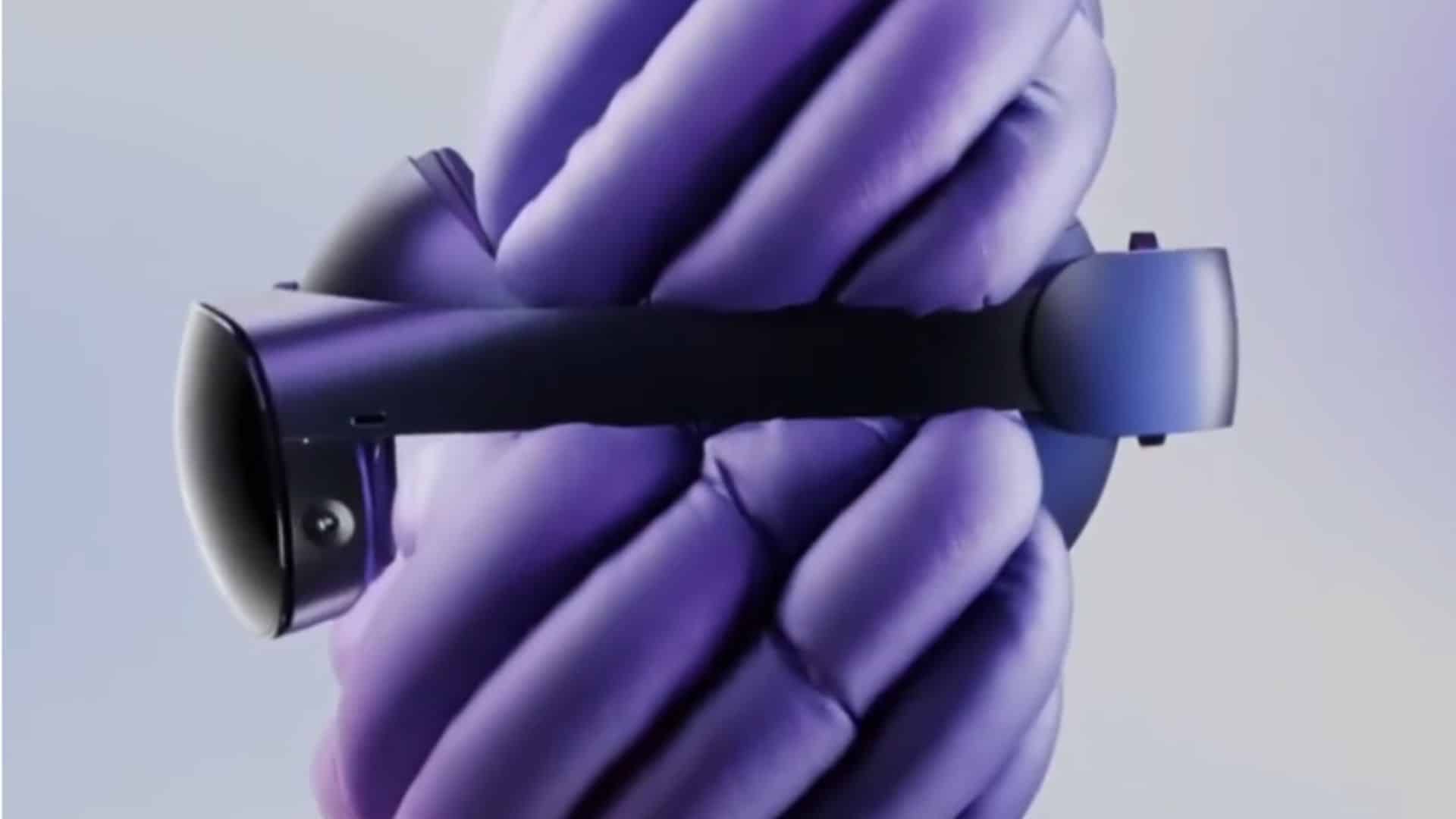
The Quest Pro was engineered with user comfort as a paramount consideration, featuring a balanced weight distribution and adjustable straps to accommodate extended use. Its sleek, professional design appeals to both casual users and enterprise clients, blending aesthetics with functionality. The Quest 3s, while lighter and more compact, emphasizes ease of use and portability, making it an excellent choice for users seeking a more streamlined and less cumbersome device.
The ergonomic differences between the two models cater to varying user preferences and use cases. The Quest Pro’s robust design supports longer sessions without discomfort, ideal for immersive gaming or professional applications. In contrast, the Quest 3s prioritizes mobility and quick setup, appealing to users who value convenience and may use the device intermittently. Both models excel in their respective design philosophies, ensuring a comfortable user experience tailored to diverse needs.
User Interface and Navigation: Intuitive Interactions
Navigating virtual environments seamlessly is crucial for an immersive experience, and both the Quest Pro and Quest 3s excel in intuitive user interfaces. The Quest Pro offers advanced customization options and a more complex interface, catering to power users who seek extensive control over their VR settings. The Quest 3s, on the other hand, emphasizes simplicity and ease of navigation, making it accessible to beginners and casual users.
The Quest 3s introduces streamlined menus and enhanced gesture controls, reducing the learning curve and enhancing user satisfaction. Meanwhile, the Quest Pro’s sophisticated interface allows for deeper interaction and customization, which can be particularly beneficial for professional applications requiring specific settings and configurations. The choice between the two depends largely on the user’s familiarity with VR technology and their specific interaction preferences.
Content Ecosystem: Access and Variety
A rich and diverse content ecosystem significantly enhances the VR experience, and both the Quest Pro and Quest 3s benefit from Meta’s extensive library. The Quest Pro’s ecosystem includes high-end games, professional tools, and exclusive content tailored to its advanced capabilities. This vast array of options ensures that users have access to a wide range of applications, from entertainment to productivity.
The Quest 3s also enjoys access to the same robust content library, though it may prioritize more mainstream and widely appealing titles to cater to its broader audience. Additionally, the Quest 3s often features bundled content or exclusive deals to entice new users. Both devices provide ample content variety, ensuring that users can find experiences that align with their interests and needs. The Quest Pro may offer more specialized content, while the Quest 3s provides a balanced selection suitable for a diverse user base.
Future-Proofing and Software Support
Software Updates and Compatibility: Staying Current
Ensuring that a VR device remains compatible with the latest software advancements is crucial for longevity and user satisfaction. The Quest Pro benefits from Meta’s commitment to regular software updates, introducing new features, performance enhancements, and security patches that keep the device up-to-date with the latest VR innovations. This proactive approach ensures that the Quest Pro remains a viable option in the rapidly evolving VR market.
The Quest 3s, while also receiving software updates, may have a different update schedule or feature rollout strategy, potentially impacting its future-proofing capabilities. However, Meta’s unified ecosystem ensures that both devices maintain a certain level of compatibility and support, allowing users to enjoy new content and features without significant hardware limitations. The Quest Pro’s sustained software support enhances its appeal as a long-term investment, whereas the Quest 3s offers sufficient updates to remain competitive in the market.
Integration with Emerging Technologies: Embracing the Future
The Quest Pro was designed with integration capabilities for emerging technologies, such as augmented reality (AR) and advanced motion tracking, positioning it at the forefront of VR innovation. These integrations allow users to experience a more blended reality, enhancing both professional applications and immersive gaming experiences. The Quest 3s, while not as advanced in certain integration aspects, still incorporates key technologies that ensure compatibility with upcoming VR advancements.
As the VR ecosystem continues to expand, the Quest Pro’s ability to integrate seamlessly with new technologies provides users with a versatile and adaptable device. The Quest 3s, though slightly behind in certain areas, remains compatible with essential advancements, ensuring that it remains a relevant and functional option for users. This balance between integration and compatibility underscores the Quest Pro’s role as a premium device, while the Quest 3s offers sufficient future-proofing for mainstream users.
Developer Support and Community: Thriving Ecosystem
A vibrant developer community is essential for the continuous growth and improvement of any VR platform. The Quest Pro benefits from strong developer support, attracting creators who design sophisticated applications and experiences tailored to its advanced capabilities. This active ecosystem fosters innovation and ensures a steady stream of high-quality content, enhancing the device’s value over time.
The Quest 3s also enjoys robust developer support, though it may focus more on creating accessible and widely appealing content to match its broader user base. This inclusive approach fosters a diverse range of applications, catering to various interests and needs. Both devices thrive within Meta’s extensive developer network, ensuring that users have access to a wealth of content and resources that enrich their VR experiences. The Quest Pro’s specialized developer focus complements its premium status, while the Quest 3s benefits from a more generalized and expansive content ecosystem.

Alternative Options in the Market
Competing VR Headsets: Exploring Alternatives
While the Quest 3s presents a compelling alternative to the Quest Pro, the VR market is replete with other contenders vying for consumer attention. Brands like HTC, Valve, and Sony offer their own high-end and mid-range VR headsets, each with unique features and advantages. These alternatives provide users with a broader spectrum of choices, catering to different preferences and budgets.
For instance, the HTC Vive series emphasizes high-resolution displays and precise tracking, appealing to both gamers and professionals. Valve’s Index headset is renowned for its superior controller design and immersive audio, while Sony’s PlayStation VR integrates seamlessly with the PlayStation ecosystem, offering exclusive game titles. Each of these alternatives brings distinct strengths to the table, allowing users to select a device that best aligns with their specific needs and use cases.
Niche VR Devices: Specialized Solutions
Beyond mainstream options, there are niche VR devices designed for specific applications, such as education, training, or specialized gaming experiences. These devices often prioritize certain features over others, offering tailored solutions that may not be available in general-purpose headsets like the Quest Pro or Quest 3s. For example, VR headsets designed for medical training focus on precise anatomical simulations, while those aimed at educational use emphasize interactive learning tools.
These specialized VR devices cater to unique market segments, providing enhanced functionality for particular use cases. While they may not compete directly with the Quest Pro or Quest 3s in terms of general performance and versatility, they offer invaluable benefits within their targeted niches. Users seeking specific applications may find these niche devices more suited to their needs, highlighting the diverse landscape of VR technology and the importance of selecting a headset that aligns with one’s intended use.
Future Market Trends: Anticipating Developments
As the VR market continues to evolve, emerging trends such as wireless technology, improved battery life, and enhanced sensory feedback are shaping the future of VR headsets. These advancements promise to make VR more accessible, comfortable, and immersive, influencing consumer preferences and device capabilities. Staying abreast of these trends is crucial for users considering long-term investments in VR technology.
The Quest Pro and Quest 3s are both positioned to adapt to these trends, with Meta continually iterating on their designs and features to incorporate the latest innovations. This adaptability ensures that both models remain competitive and relevant as the market progresses. Anticipating future developments allows users to make informed decisions, selecting devices that not only meet their current needs but also align with forthcoming technological advancements.
Frequently Asked Questions
Is the Quest Pro still better than the Quest 3s in terms of performance?
Yes, the Quest Pro generally offers superior performance with its high-end hardware and advanced features. However, the Quest 3s provides comparable performance at a significantly lower price, making it a viable alternative for many users.
Should I buy the Quest Pro if I already own a Quest 3s?
If you require enhanced features such as superior display quality, advanced tracking, and extended software support for professional applications, upgrading to the Quest Pro may be worthwhile. Otherwise, the Quest 3s should suffice for most standard VR experiences.
How does the battery life of Quest Pro compare to Quest 3s?
The Quest Pro typically offers longer battery life due to its higher-capacity components, enabling extended usage sessions. The Quest 3s, while slightly less enduring, still provides ample battery life for typical VR activities.
Are accessories for Quest Pro compatible with Quest 3s?
Most accessories designed for the Quest Pro are compatible with the Quest 3s, though some may require adapters or specific configurations. It’s advisable to check manufacturer specifications to ensure compatibility.
Which headset has better developer support, Quest Pro or Quest 3s?
Both the Quest Pro and Quest 3s benefit from Meta’s robust developer support. However, the Quest Pro may receive more specialized support for high-end applications, while the Quest 3s caters to a broader range of developers targeting general VR experiences.