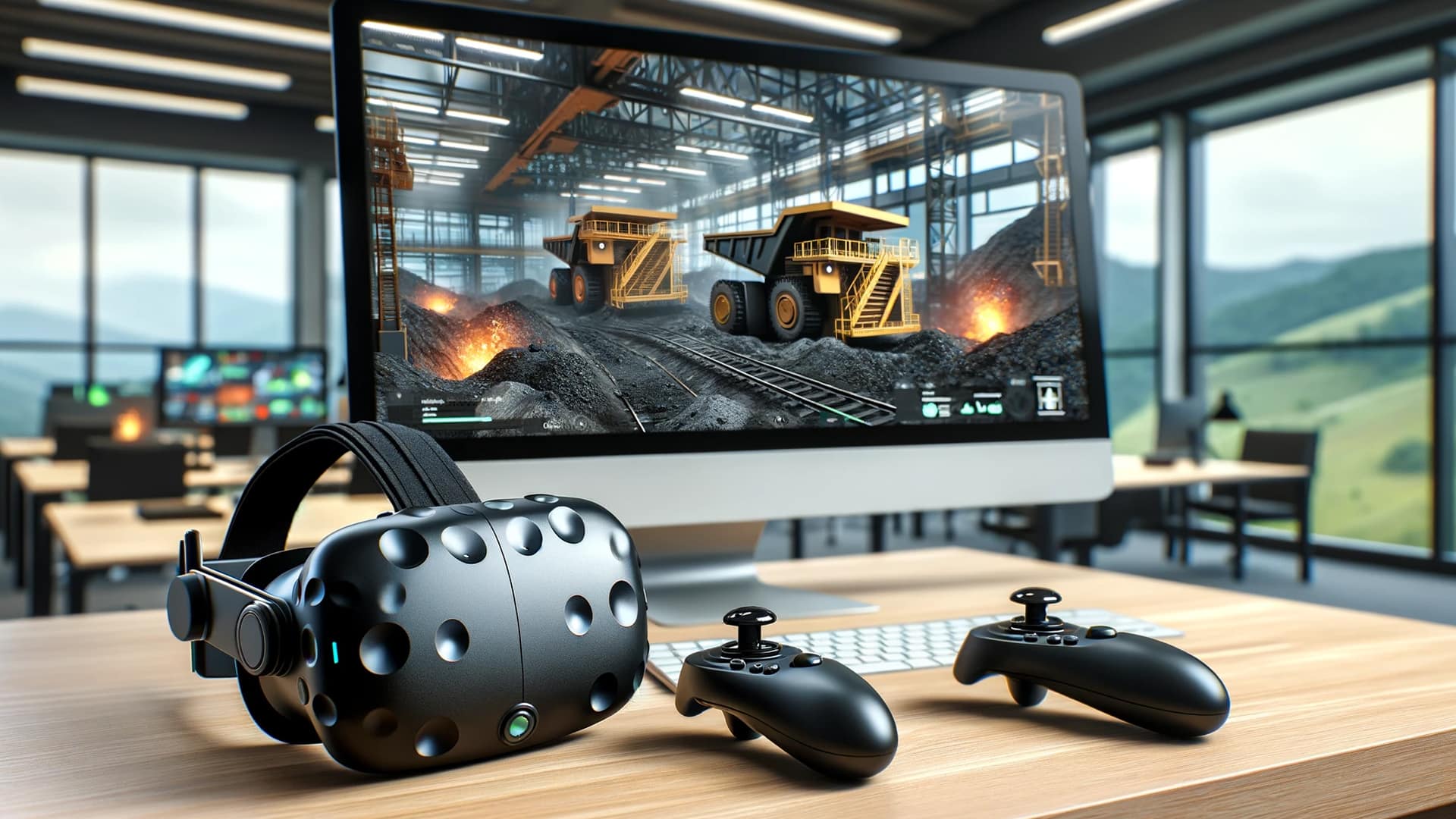

In an era where technology paves the way for innovative solutions across industries, Virtual Reality (VR) emerges as a groundbreaking tool, especially in the realm of safety training. Virtual Reality Safety Training offers an immersive experience that not only enhances learning outcomes but also significantly reduces the risks associated with traditional training methods. This article explores the multifaceted benefits of employing Virtual Reality in Safety Training, shedding light on why it’s increasingly becoming the method of choice for industries such as mining, manufacturing, scaffolding, and building.
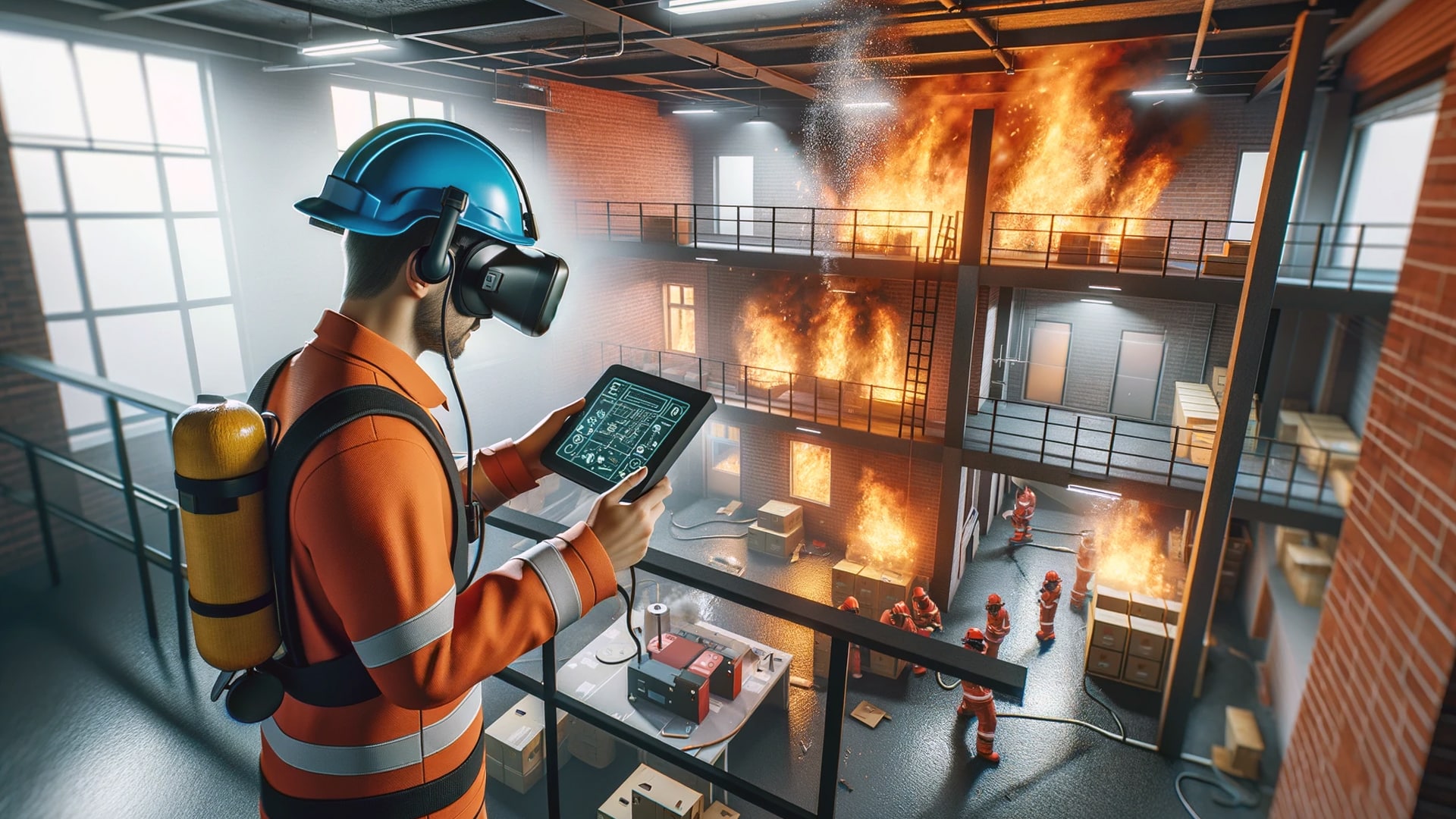
Immersive Learning Experience
One of the standout features of Virtual Reality Safety Training is its ability to create a highly immersive learning environment. Trainees are placed in lifelike scenarios that closely mimic real-world conditions, without the associated risks. This hands-on approach facilitates a deeper understanding of safety protocols and procedures. Studies show that learners retain up to 75% more information through active, experiential learning compared to passive methods like reading or lecturing. By leveraging VR, businesses can ensure their staff not only learn but fully comprehend and remember safety practices.
Enhanced Engagement and Retention
Engagement is a critical component in the efficacy of training programs. Virtual Reality Safety Training captivates the attention of participants through interactive and engaging scenarios that are far more stimulating than traditional training mediums. The immersive nature of VR encourages active participation, which in turn, significantly improves retention rates. According to recent data, VR training has been shown to increase retention rates by up to 80%, a testament to its effectiveness in ingraining vital safety measures in employees’ minds.
Safe Simulation of Hazardous Situations
High-risk industries such as mining and construction face the challenge of training employees on safety in potentially life-threatening situations. Virtual Reality Safety Training allows for the safe simulation of hazardous conditions, enabling staff to practice their response to emergencies without the actual danger. This exposure prepares them for real-life incidents, ensuring they are better equipped to handle emergencies safely and efficiently. The controlled VR environment can be designed to replicate specific scenarios relevant to the company’s operations, providing customized training solutions that address direct needs.
Cost-Effectiveness and Reduced Downtime
Traditional safety training methods can be costly, requiring physical space, equipment, and often causing operational downtime. Virtual Reality Safety Training, on the other hand, presents a cost-effective alternative. Once developed, VR programs can be deployed multiple times across various locations without additional expenses. Furthermore, training can be conducted virtually anywhere, minimizing the need for travel and reducing downtime. Businesses can train more employees in less time, translating to increased productivity and reduced training costs.
Data-Driven Insights for Continuous Improvement
Virtual Reality Safety Training platforms often come equipped with tracking and analytics capabilities. These features provide valuable data on trainee performance, highlighting areas of strength and those requiring improvement. By analyzing this data, businesses can identify trends, tailor training programs to address specific needs, and continuously enhance the effectiveness of their safety training. This data-driven approach ensures that training is not only comprehensive but also evolves in line with industry standards and regulations.
Meeting the Needs of Modern Workforces
The modern workforce, particularly the younger generation, expects dynamic and interactive learning experiences. Virtual Reality Safety Training meets these expectations, delivering content in an innovative and engaging manner. This alignment with the digital literacy of contemporary employees not only enhances the learning experience but also fosters a positive attitude towards safety training. By investing in VR, companies demonstrate a commitment to leveraging cutting-edge technology for the welfare of their staff, contributing to a culture of safety and innovation.
Global Case Studies and Success Stories
Across the globe, industries are turning to Virtual Reality Safety Training to address their safety training needs. For instance, in the mining sector, companies have reported a significant reduction in incidents following the implementation of VR safety programs. Similarly, in the manufacturing and construction industries, VR training has led to improved compliance with safety protocols and procedures. These success stories underscore the effectiveness of Virtual Reality Safety Training in enhancing safety outcomes across various sectors.
Virtual Reality South Africa: Leading the Way in Innovative Safety Training Solutions
At Virtual Reality South Africa, we specialize in developing bespoke Virtual Reality Safety Training solutions tailored to the unique needs of your business. Our team of experts is committed to providing innovative training programs that not only enhance safety outcomes but also drive operational efficiency. Whether you’re in the mining, manufacturing, scaffolding, or building industry, we are equipped to deliver high-quality VR training solutions that meet your specific requirements. We are more than happy to offer advice and support to clients interested in leveraging Virtual Reality to elevate their safety training programs.
The adoption of Virtual Reality in Safety Training represents a paradigm shift in how businesses approach staff preparedness and risk management. By offering an immersive, engaging, and effective training experience, VR technology is setting new standards in safety training across industries. Virtual Reality Safety Training not only enhances learning outcomes and employee safety but also offers cost savings, operational efficiencies, and continuous improvement through data-driven insights. As industries continue to recognize the substantial benefits of VR in safety training, Virtual Reality South Africa stands ready to assist businesses in harnessing this powerful technology to safeguard their most valuable asset: their people.
Below is a table listing some of the key advantages of Virtual Reality (VR) Training:
| Advantage | Description |
|---|---|
| Immersive Learning Experience | VR training offers a highly immersive environment, allowing learners to experience realistic scenarios. This improves understanding and retention of safety protocols and procedures. |
| Enhanced Engagement and Retention | The interactive nature of VR captures the attention of trainees, making learning more engaging and increasing information retention rates significantly. |
| Safe Simulation of Hazardous Situations | VR allows for the safe replication of dangerous situations, enabling employees to practice their response to emergencies without real-world risks. |
| Cost-Effectiveness | Once developed, VR training programs can be reused across multiple locations without significant additional costs, reducing the need for physical resources and operational downtime. |
| Customizable Training Scenarios | VR training can be tailored to simulate specific scenarios relevant to an organization’s needs, providing targeted and effective learning experiences. |
| Data-Driven Insights | VR platforms can track and analyze trainee performance, offering insights for continuous improvement of training programs and personalization of learning paths. |
| Accessibility | VR training can be accessed from various locations, reducing the need for travel and allowing flexible scheduling for employees. |
| Reduction in Training Time | VR training can accelerate the learning process, as it allows for repeated practice and immediate feedback, leading to faster mastery of skills. |
| Modernizes Training | Incorporating VR into training programs demonstrates a company’s commitment to using cutting-edge technology, aligning with the digital literacy of the modern workforce. |
| Improved Safety Outcomes | By providing a realistic and practical learning experience, VR training effectively improves employees’ ability to handle real-life situations, leading to better safety outcomes. |