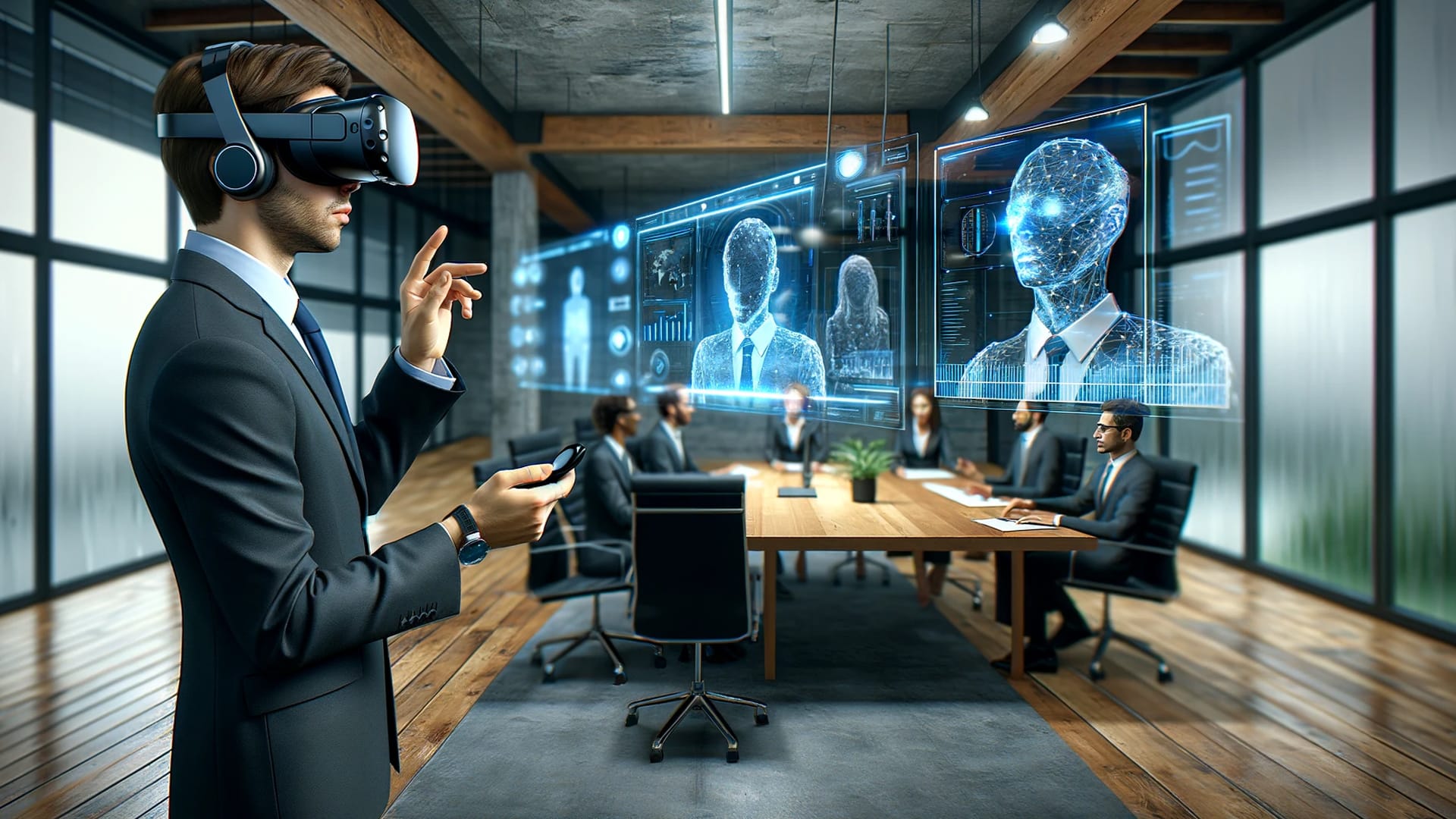

In an era where technology reshapes the landscapes of industries, Virtual Reality (VR) emerges as a beacon of innovation, transforming the mundane into the extraordinary. Imagine stepping into a world where the limitations of time and space dissolve, where the digital and physical realms converge into experiences that were once the stuff of science fiction. This is not just the future; it’s the present, and it’s called Virtual Reality. For business leaders and visionaries, understanding VR is not just about keeping up with technology—it’s about staying ahead of the curve in today’s fast-paced market.
Virtual Reality Demystified
At its core, Virtual Reality is a technology that creates computer-generated environments that simulate physical presence in real or imagined worlds. It’s like stepping into a painting and being able to interact with the colors and shapes, or diving into a storybook where you can converse with the characters. VR tricks the brain into believing it is somewhere else, offering an immersive experience that can evoke feelings, stimulate reactions, and even alter perceptions.
But VR is more than just a technological marvel; it’s a tool—a tool that businesses are leveraging to revolutionize how they operate, market, and innovate. From real estate tours that teleport you to a new home thousands of miles away, to virtual training environments that prepare employees for real-world challenges without the risks, VR is redefining the boundaries of what’s possible in business.
The Business of Immersion
Why read about a product when you can experience it? Why discuss a prototype in a meeting when you can explore it in a virtual space? VR offers businesses a unique way to engage customers, partners, and employees. Here’s how:
Transformative Marketing and Sales
Imagine showcasing a new product in a way that allows your customers to explore every feature, angle, and function as if they were holding it in their hands. VR marketing and sales strategies create immersive experiences that not only inform but also entertain, leaving a lasting impression that goes beyond traditional advertising.
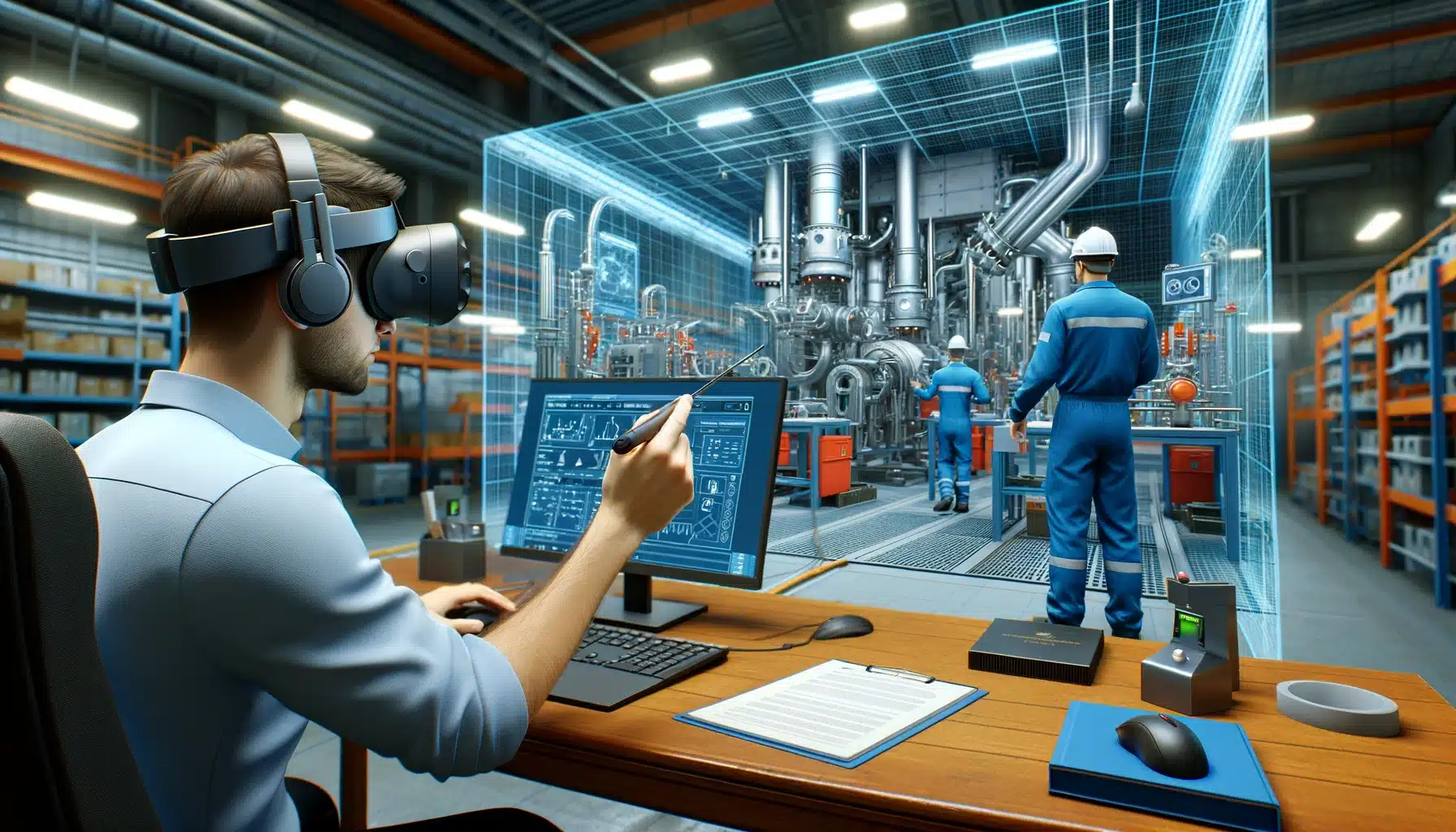
Next-Level Training and Education
Training in a VR environment offers a level of interactivity and realism that cannot be matched by textbooks or even videos. Whether it’s a medical professional practicing a complex procedure or a technician understanding the intricacies of new machinery, VR enables safe, repeatable, and scalable learning experiences that can be tailored to individual needs.
Remote Collaboration Reimagined
Virtual reality is tearing down the geographical barriers that once hindered collaboration. Teams spread across the globe can now come together in a virtual space, working side by side on projects as if they were in the same room. This not only saves time and money but also fosters a more inclusive and flexible working culture.
Design and Prototyping
VR takes the guesswork out of design and prototyping. Designers and engineers can create, test, and iterate on their models in a virtual environment, significantly reducing the cost and time associated with physical prototypes. This not only accelerates the development process but also encourages creative experimentation.
Embracing the Virtual Advantage
For businesses, the question is no longer whether to embrace VR, but how quickly they can integrate it into their strategies. The competitive edge gained by leveraging VR technology can redefine customer experiences, streamline operations, and create new opportunities for growth and innovation.
However, diving into VR requires a strategic approach. It’s not just about the technology but understanding how it can enhance your value proposition. Here are a few tips for businesses looking to adopt VR:
- Identify the Right Use Cases: Look for areas where VR can add the most value, be it training, product demonstrations, or customer engagement.
- Start Small and Scale: Begin with pilot projects to test the waters before rolling out larger VR initiatives.
- Focus on User Experience: The success of VR projects hinges on how well they are received by users. Prioritize intuitive design and user comfort.
- Keep an Eye on the Future: VR technology is evolving rapidly. Stay informed about the latest developments to ensure your VR solutions remain cutting-edge.
The Road Ahead
Virtual Reality is not just a trend; it’s a transformative technology that’s reshaping the future of business. It offers a new lens through which we can view and interact with the world, opening up possibilities that were once unimaginable. For business leaders, VR represents an opportunity to innovate, differentiate, and lead in an increasingly digital world.
As we stand on the brink of this virtual frontier, one thing is clear: the businesses that embrace VR today will be the ones shaping the realities of tomorrow. In the words of Alan Kay, “The best way to predict the future is to invent it.” Virtual Reality offers businesses the tools to do just that, crafting experiences that engage, educate, and inspire in ways we’re just beginning to understand. Welcome to the virtual revolution—it’s time to see what’s possible.