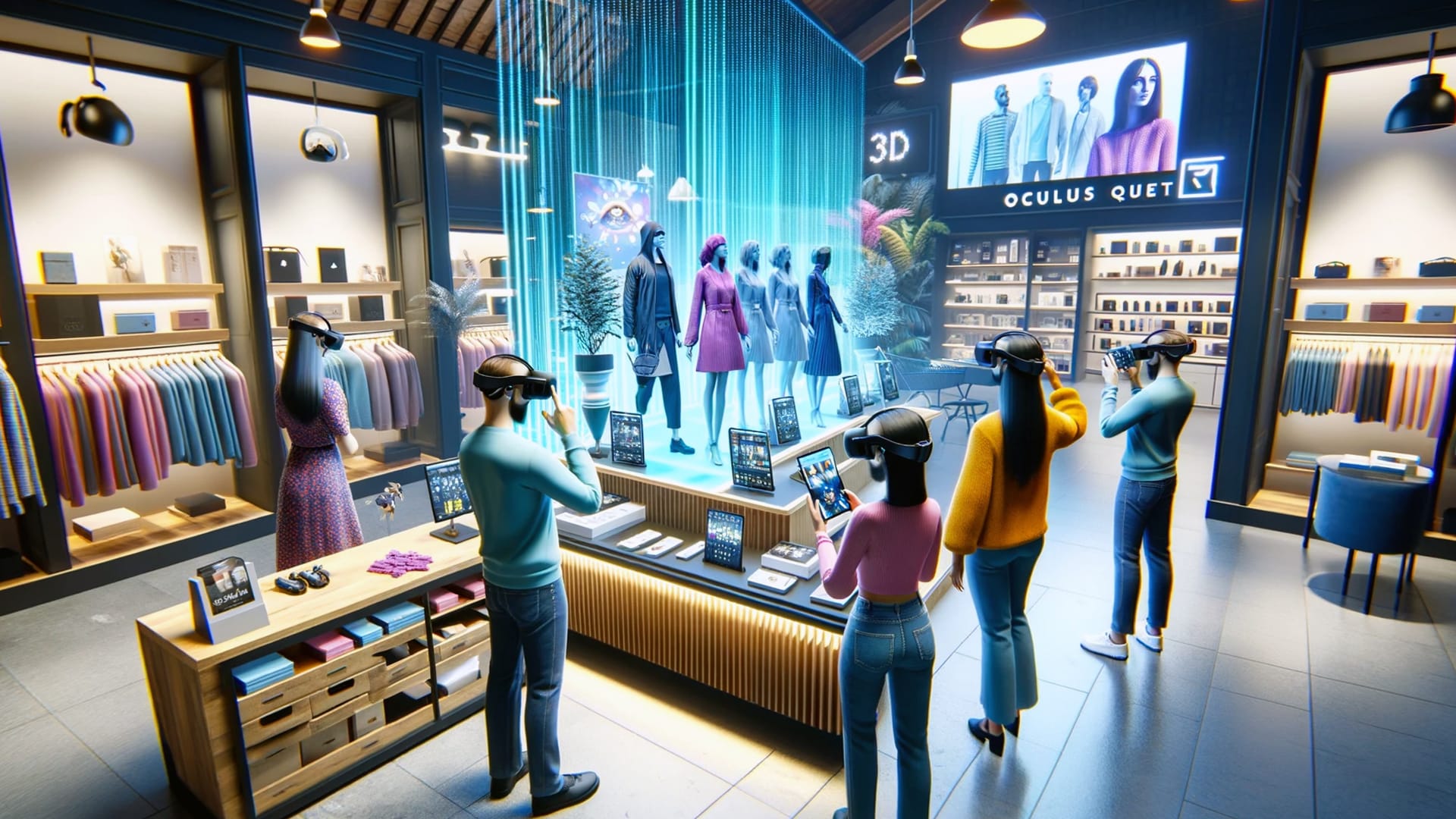

In the realm of digital transformation, Virtual Reality (VR) has emerged as a groundbreaking technology, reshaping the way businesses interact with digital environments. Among the frontrunners in this technological revolution are the Meta Quest and Oculus Quest VR headsets. Virtual Reality South Africa is at the forefront of harnessing these advanced tools to develop custom software solutions that revolutionize business functions through augmented reality, virtual reality, and spatial computing. This article delves into the positive impacts of the Meta Quest 3, Meta Quest 2, and Oculus Quest 1, highlighting how these devices are shaping the future of business in South Africa and beyond.
Meta Quest 3: A New Era of Immersive Experience
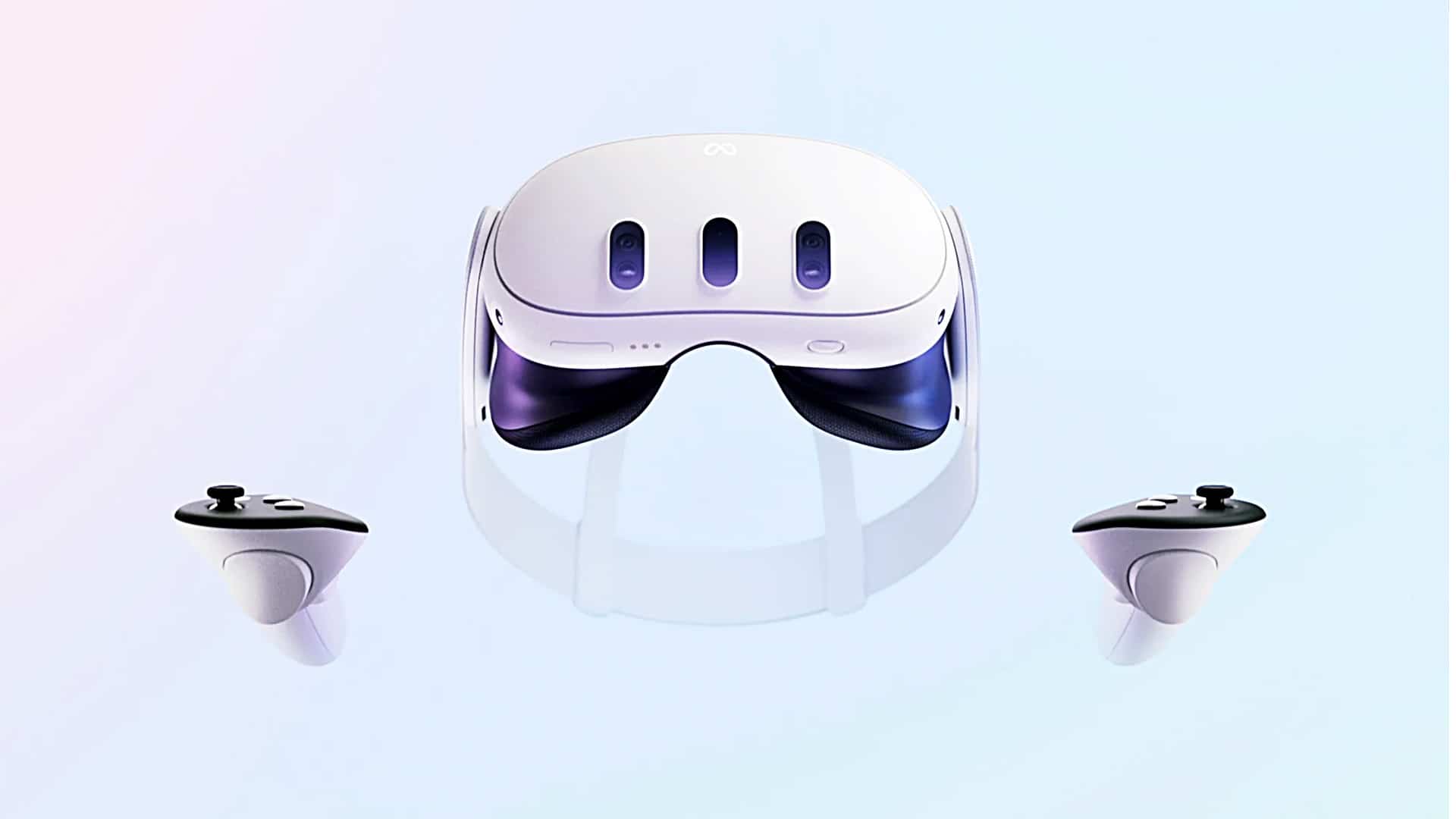
The Meta Quest 3 represents the pinnacle of VR technology, offering unparalleled immersive experiences. This latest addition to the Meta Quest line is designed with cutting-edge features that cater to both businesses and consumers. Its advanced processors and high-resolution displays provide a seamless and immersive VR experience, making it an ideal tool for businesses looking to gamify their operations or offer immersive training solutions. With the Meta Quest 3, companies can create realistic simulations for training purposes, engage customers through virtual showrooms, and enhance remote collaboration through virtual meetings.
The device’s intuitive design and wireless capability ensure ease of use and flexibility, allowing users to explore virtual environments without the constraints of cables. This feature is particularly beneficial for businesses that require mobility and adaptability in their VR applications. Moreover, the Meta Quest 3’s spatial audio and hand tracking capabilities offer a more natural and interactive VR experience, enabling users to perform tasks with greater precision and realism.
Meta Quest 2: Bridging the Gap Between Reality and Virtuality
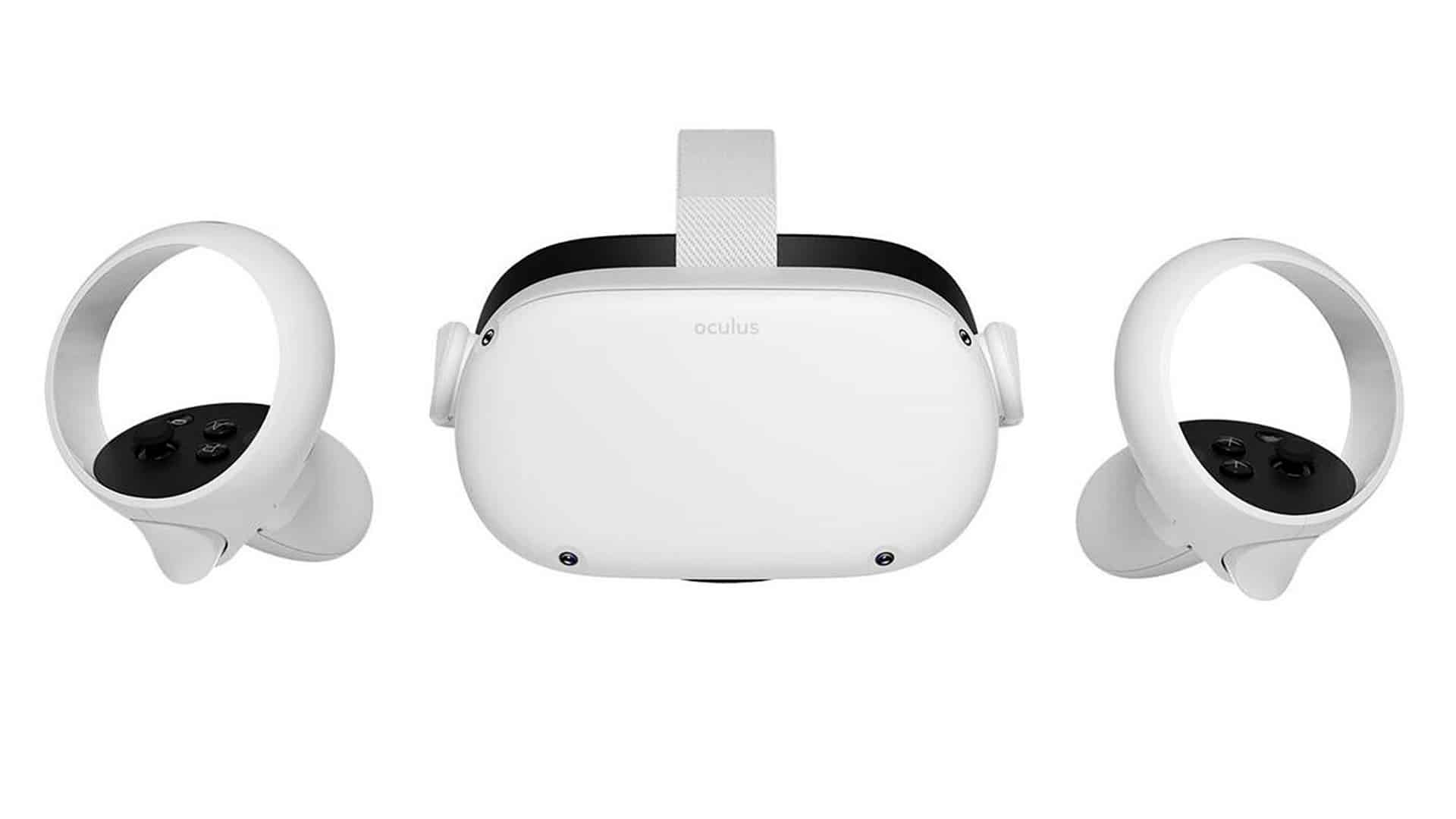
The Meta Quest 2, the predecessor of the Meta Quest 3, has been instrumental in popularizing VR technology among businesses and consumers alike. Its affordability, combined with high-performance capabilities, makes it an attractive option for companies looking to integrate VR into their operations without significant investment. The Meta Quest 2 offers an impressive VR experience, with a vast library of applications and games that can be leveraged for educational, training, and marketing purposes.
For businesses, the Meta Quest 2 has opened up new avenues for customer engagement and employee training. Retailers, for instance, can use the headset to create virtual stores, allowing customers to browse and interact with products in a 3D space. Similarly, companies can utilize the Meta Quest 2 for immersive training programs, enabling employees to practice and hone their skills in a risk-free virtual environment.
Oculus Quest 1: The Pioneer of Standalone Virtual Reality
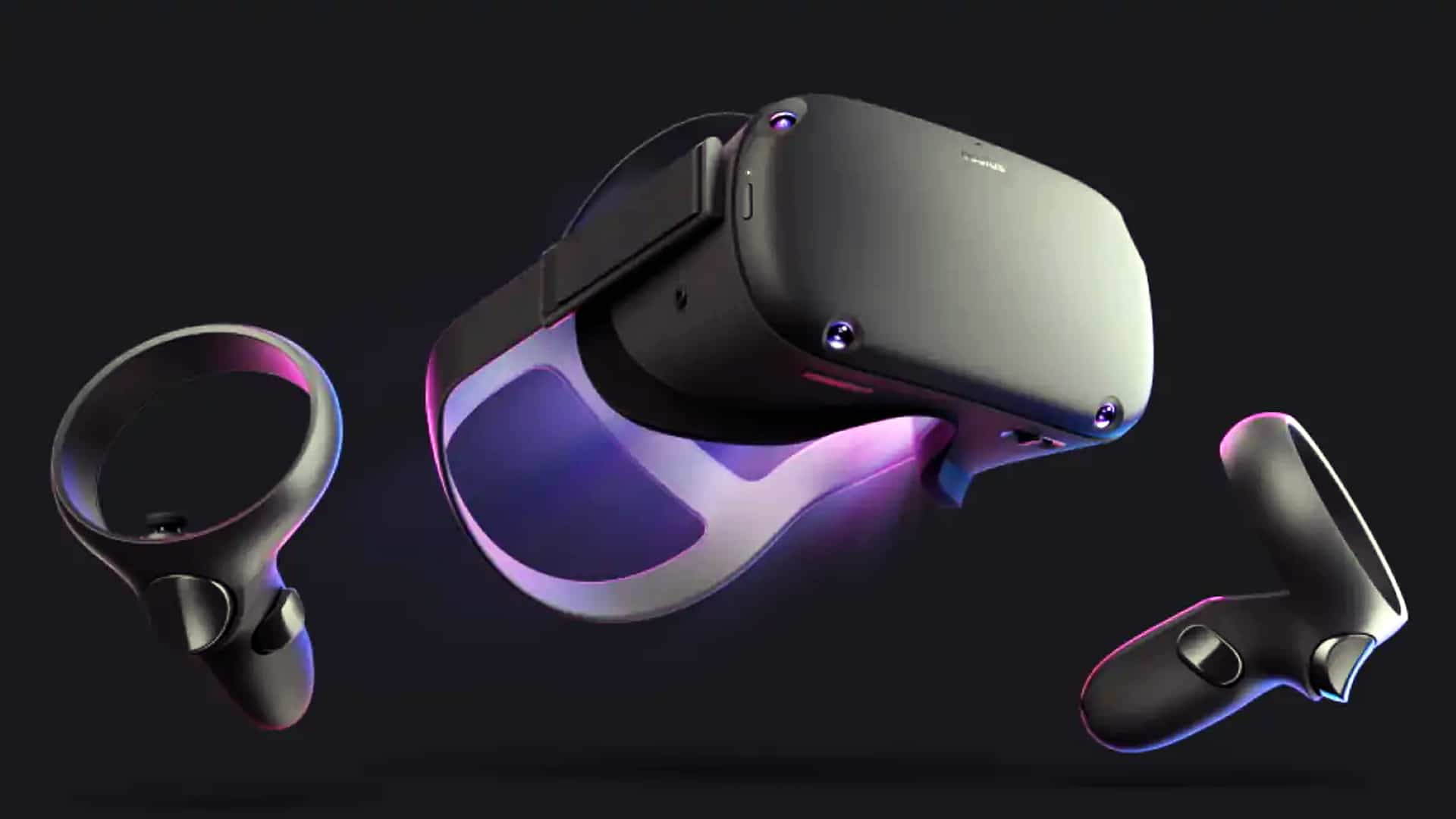
The Oculus Quest 1 laid the foundation for standalone VR headsets, offering a glimpse into the potential of untethered VR technology. As the first device in the Quest series, it broke away from the traditional tethered VR setup, providing users with the freedom to explore virtual spaces without being tied to a PC. This innovation was particularly beneficial for businesses looking to implement VR solutions in areas with limited access to high-end computing resources.
Despite being the earliest model, the Oculus Quest 1 still offers a robust VR experience, suitable for various applications such as virtual tours, basic training simulations, and interactive marketing experiences. Its user-friendly interface and portability make it a valuable tool for businesses venturing into the world of VR for the first time.
The Positive Side of Virtual Reality for Businesses
The Meta Quest and Oculus Quest VR headsets are not just gaming devices; they are powerful tools that can transform business operations, enhance customer experiences, and improve employee training. VR technology enables businesses to create immersive and interactive environments that can simulate real-world scenarios, making it an effective tool for training and education. Additionally, VR can revolutionize the way companies engage with their customers, offering virtual product demonstrations and interactive marketing experiences that transcend traditional advertising methods.
Furthermore, the use of VR technology can lead to significant cost savings for businesses. By utilizing VR for training and development, companies can reduce the need for physical resources and minimize the risks associated with hands-on training. Virtual meetings and conferences can also cut down on travel expenses and time, promoting sustainability and efficiency.
Conclusion
Virtual Reality South Africa is at the helm of integrating the latest VR technologies, such as the Meta Quest 3, Meta Quest 2, and Oculus Quest 1, into custom software solutions that elevate business functions. These VR headsets offer a gateway to a world where digital and physical realities converge, opening up new possibilities for innovation, engagement, and growth. As businesses continue to explore and embrace the potential of VR, the Meta Quest and Oculus Quest series stand out as essential tools in the journey towards digital transformation.
In summary, the positive impact of VR technology on businesses is undeniable. From immersive training and education to innovative customer engagement strategies, the Meta Quest and Oculus Quest VR headsets are redefining the boundaries of what is possible in the digital age. As Virtual Reality South Africa continues to pioneer the use of these technologies, the future of business in South Africa and beyond looks brighter and more immersive than ever.