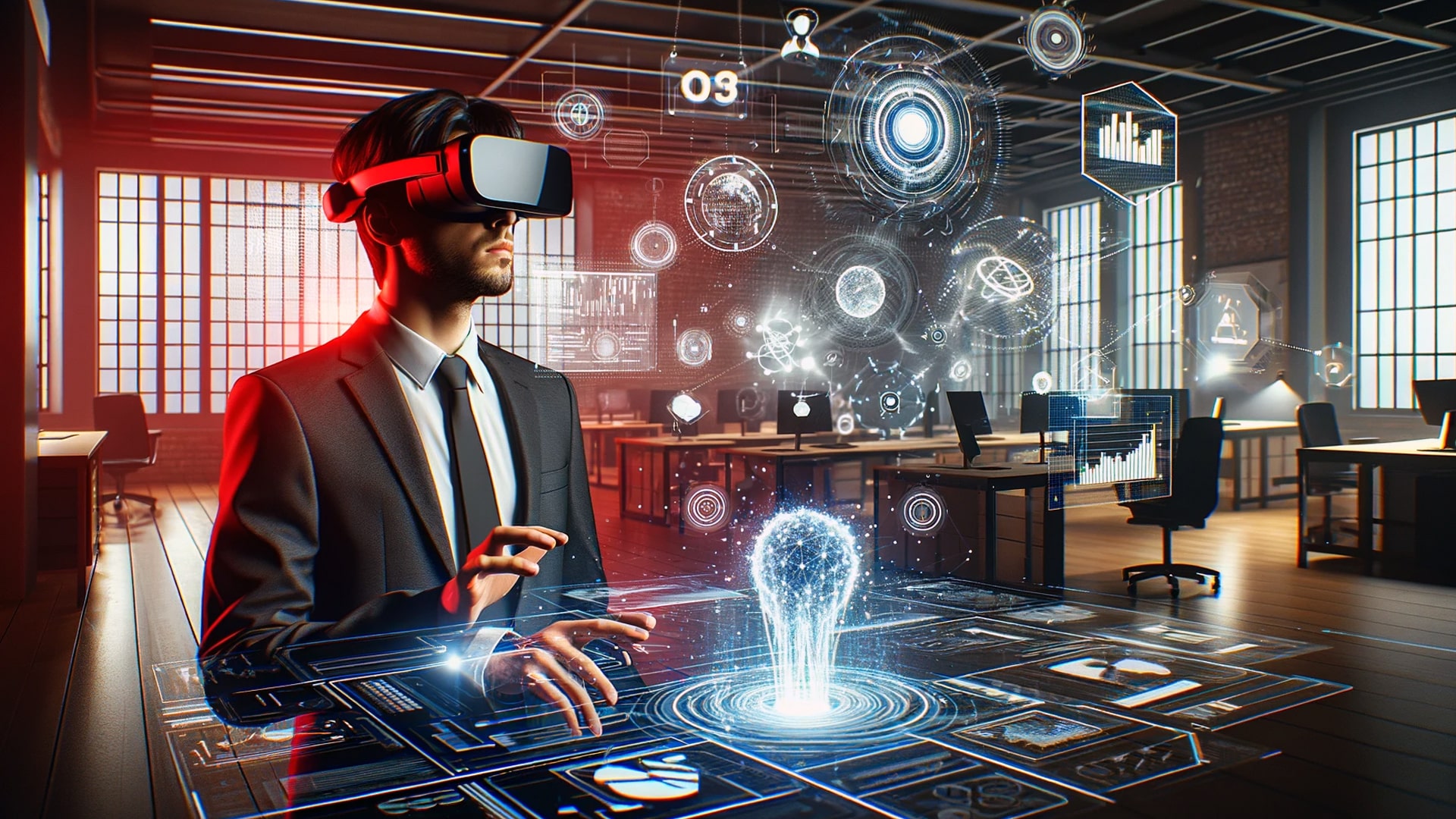

Spatial computing is transforming the way we interact with the digital world, seamlessly blending the physical and virtual realms to create immersive, interactive experiences. At its core, spatial computing encompasses technologies like Virtual Reality (VR) and Augmented Reality (AR), both of which are central to the offerings at Virtual-Reality.org.za. This innovative field leverages sophisticated software development techniques to enable devices to recognize and navigate three-dimensional spaces, allowing for the creation of digital environments that users can interact with in real-time.
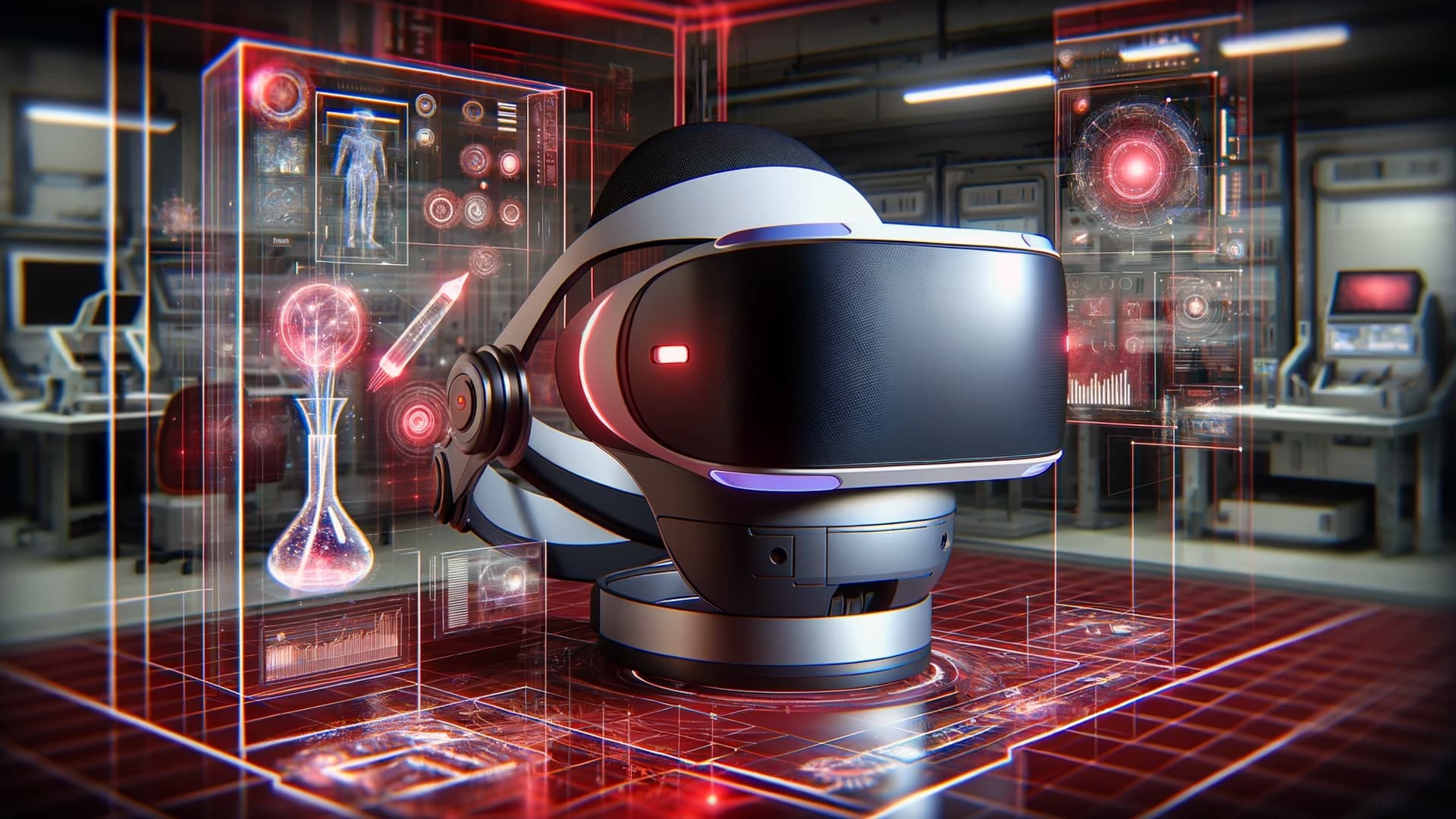
Through VR, we transport users to entirely digital worlds, offering experiences limited only by the imagination. Our VR solutions provide immersive simulations for entertainment, education, and professional training, where the sense of presence heightens engagement and learning outcomes. Augmented Reality, on the other hand, overlays digital information onto the physical world, enhancing real-life with interactive digital elements. This technology is pivotal in applications ranging from retail and marketing to complex surgical procedures, enabling users to interact with digital content in their physical surroundings.
Our expertise in software development for spatial computing enables the creation of bespoke applications tailored to specific industry needs. We harness the power of computer vision, 3D mapping, and gesture recognition to develop intuitive interfaces that allow natural interactions with digital content, pushing the boundaries of what’s possible in both the virtual and augmented realms.
As spatial computing continues to evolve, Virtual-Reality.org.za remains at the forefront, developing cutting-edge VR, AR, and mixed reality experiences. This technology is not just about creating new worlds; it’s about enhancing the way we live, work, and connect with each other, offering endless possibilities to explore, learn, and interact in ways we’ve only just begun to imagine.
Key Technologies in Spatial Computing
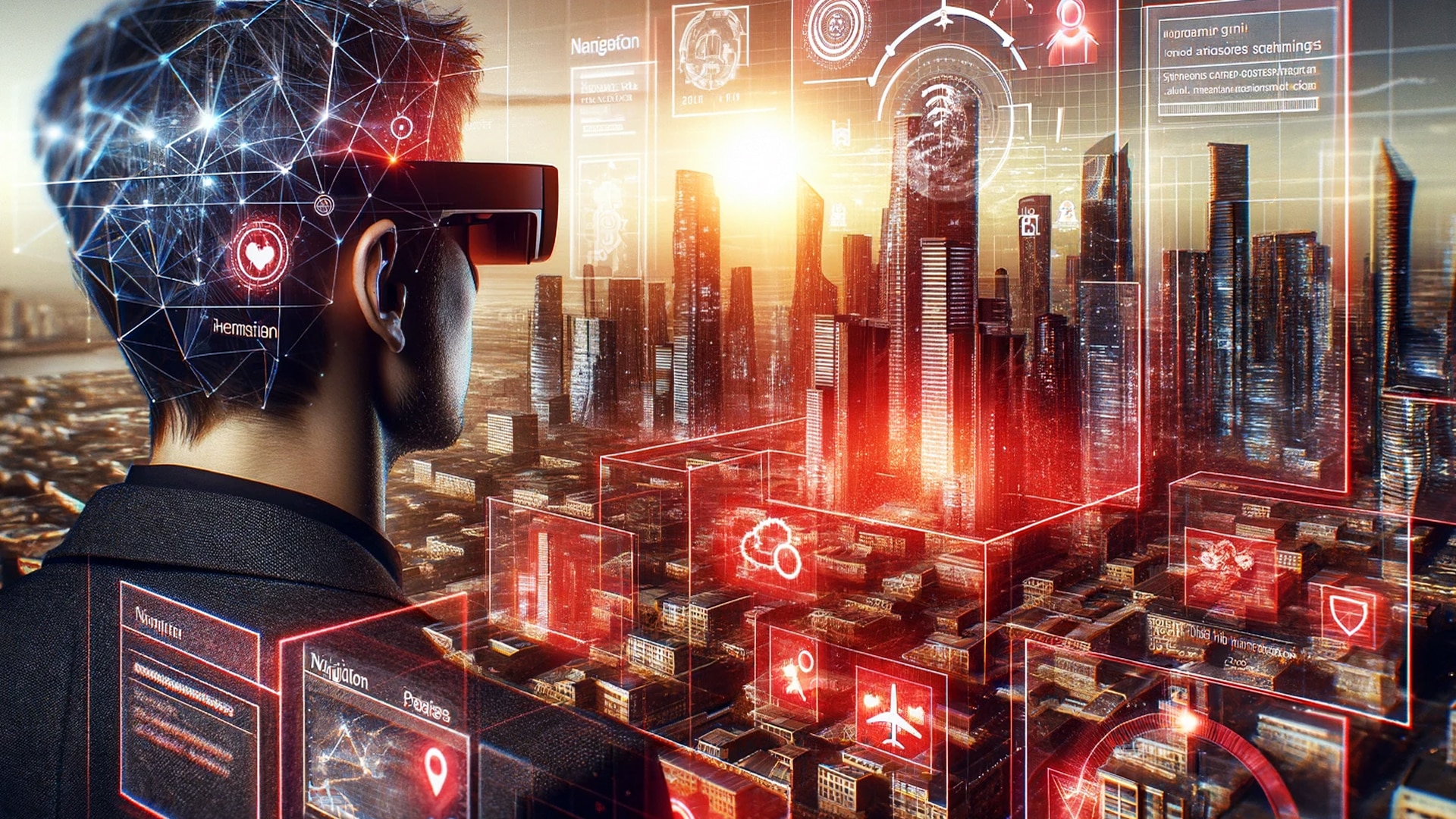
Spatial computing broadly encompasses the technologies that enable humans and machines to interact with the physical world in an enhanced, interconnected way. It’s a field that integrates various elements from hardware, software, and sensors to create immersive digital environments that can understand and navigate three-dimensional space. Here are some key terms and concepts related to spatial computing:
- Augmented Reality (AR): This technology overlays digital information (like images, text, and animations) onto the real world as seen through a device (e.g., smartphones or AR glasses). It enhances the user’s perception of reality with additional digital details.
- Virtual Reality (VR): VR creates a completely digital environment that replaces the real world. Users can interact with this environment using VR headsets and controllers, experiencing immersive simulations.
- Mixed Reality (MR): MR combines elements of both AR and VR to blend the digital and physical worlds in ways that allow real-time interaction. It enables digital objects to interact with the real environment in a more integrated manner.
- Extended Reality (XR): XR is an umbrella term that covers VR, AR, and MR. It represents all the technologies that enhance our senses, whether by blending the virtual and real worlds or by creating fully immersive experiences.
- 3D Mapping: This involves scanning physical spaces to create digital, three-dimensional models. These models are essential for machines and software to understand and navigate real-world environments.
- Computer Vision: A field of artificial intelligence that trains computers to interpret and understand the visual world. In spatial computing, it allows machines to recognize objects, spaces, and actions in the physical world.
- Haptic Feedback: This technology recreates the sense of touch by applying forces, vibrations, or motions to the user. In spatial computing, it enhances the realism of virtual environments by providing physical feedback.
- Spatial Audio: Audio technologies that simulate sound in three-dimensional space. They make virtual environments more immersive by mimicking how we perceive sound in the real world, with directionality and distance.
- Gesture Recognition: The ability of a system to recognize and interpret human gestures as commands. In spatial computing, it allows users to interact with digital environments through natural movements.
- Wearable Technology: Devices worn on the body (like smart glasses or gloves) that interact with spatial computing environments. These can provide visual displays, haptic feedback, or track user movements.
- Internet of Things (IoT): The network of interconnected devices that communicate and share data with each other. In spatial computing, IoT devices can interact with and respond to the spatial environment.
- Simultaneous Localization and Mapping (SLAM): A technique used in robotics and augmented reality for mapping an unknown environment while simultaneously tracking the location of the device within it.
- Digital Twin: A digital replica of a physical object, system, or environment. Digital twins are used in spatial computing for simulations, analysis, and control of real-world entities through their virtual counterparts.
Understanding these key terms is essential for grasping the breadth and impact of spatial computing on various industries, including gaming, entertainment, education, manufacturing, and beyond. The integration of these technologies is paving the way for innovative applications that blur the lines between digital and physical realities, offering immersive experiences and solving complex real-world problems.
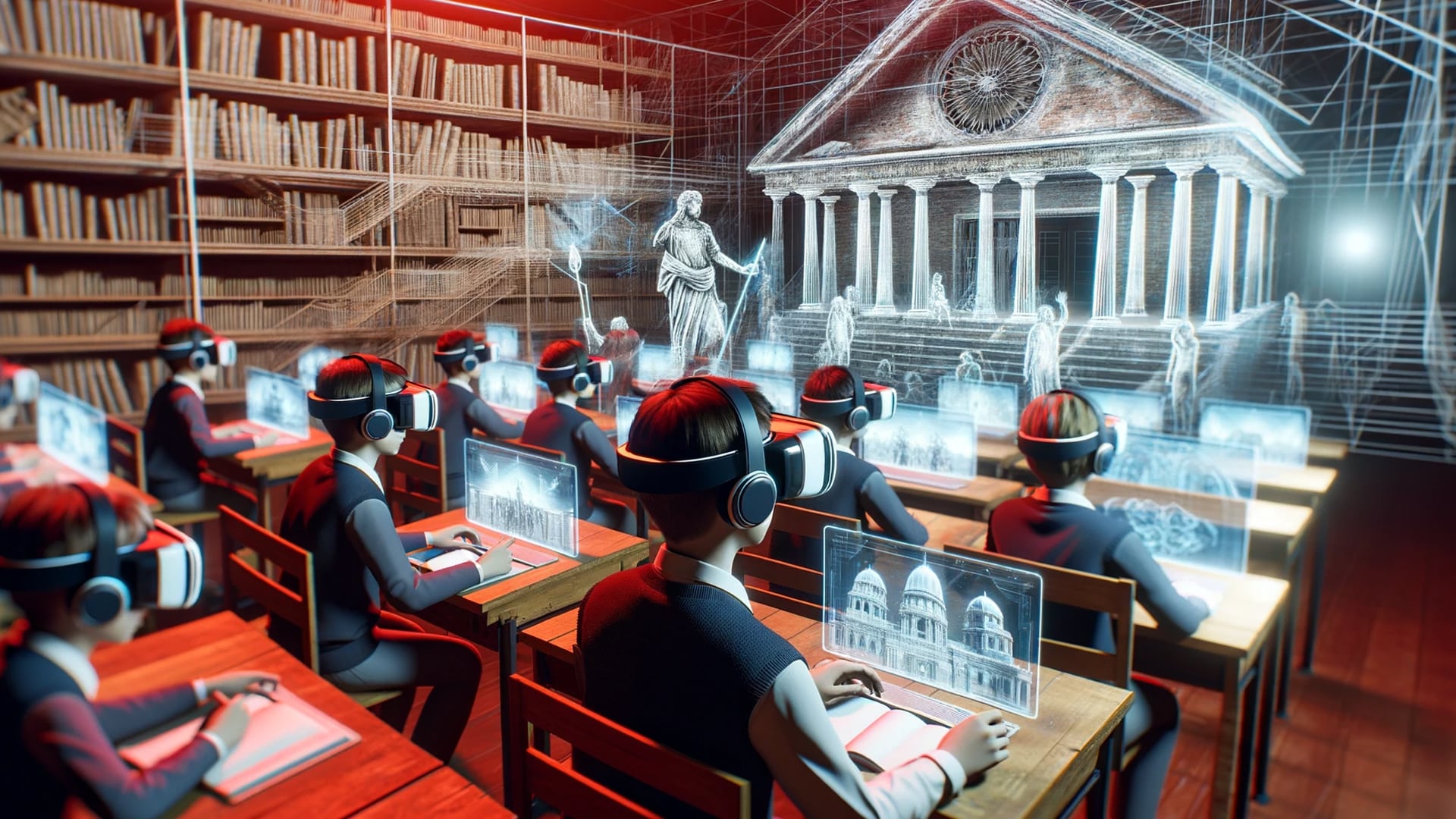
It’s clear that spatial computing is not just shaping the future of the Virtual Reality industry—it’s redefining it. By blurring the lines between the physical and digital worlds, spatial computing enables a level of immersion and interactivity that was once the realm of science fiction. From creating more realistic and engaging virtual environments to allowing for more intuitive user interfaces, the advancements in spatial computing are pushing the boundaries of what’s possible in VR. This revolution extends beyond entertainment, impacting sectors such as education, healthcare, and manufacturing, where the applications of VR are becoming increasingly vital.
At Virtual-Reality.org.za, we are excited to be at the forefront of this transformation, leveraging the latest in spatial computing to deliver unparalleled virtual experiences. As the technology continues to evolve, we remain committed to exploring its vast potential, ensuring that our clients and users can not only navigate the virtual world with ease but also harness its power to unlock new opportunities, enhance learning, and connect with the world in profound ways. In this journey, spatial computing is not just changing the Virtual Reality industry; it’s setting the stage for a future where the possibilities are as limitless as our imagination.